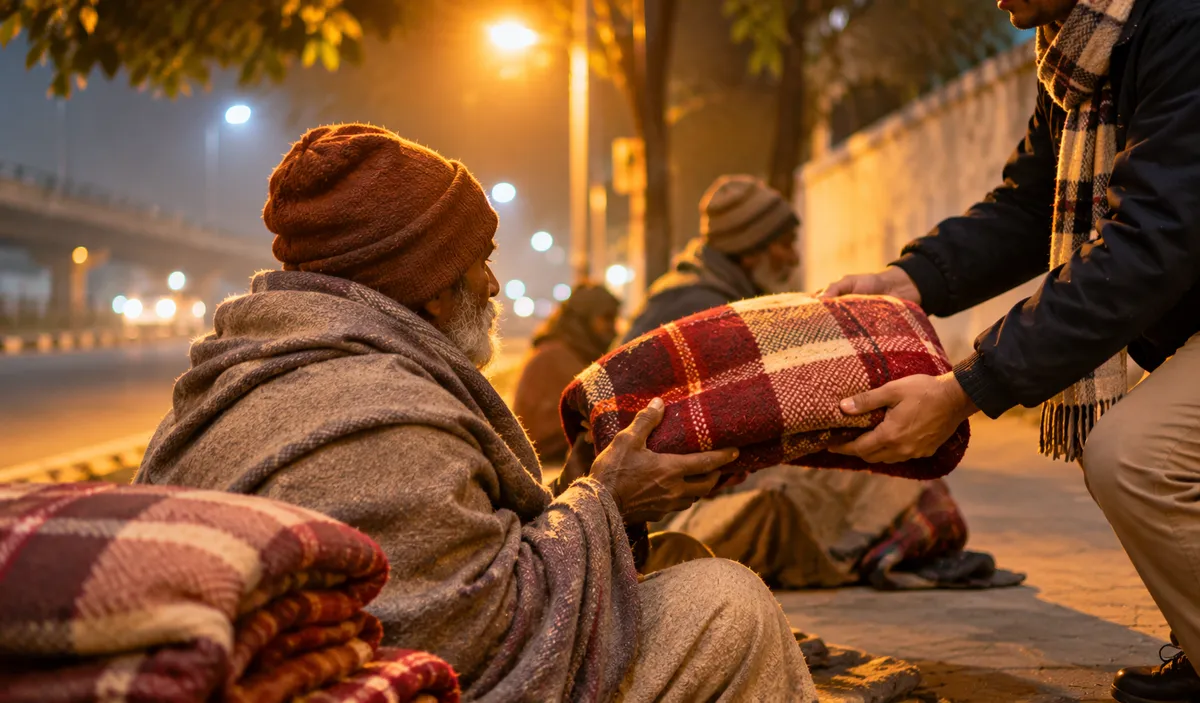
It's past midnight, and the temperature has dropped below 8°C. A rickshaw puller has parked at the edge of a flyover and pulled his thin shawl over his head. A woman with a baby sits near a closed shop. An old man tries to sleep on a bench, knees pulled to his chest. You're inside, under a quilt, scrolling your phone. Most of us have felt that small pang at some point. That pang is where kambal daan begins.
Kambal daan ka mahatva is simple. In the cold months, giving a warm blanket to someone who has none is one of the kindest and most practical forms of daan. Traditions also treat it as an act that brings punya (spiritual merit), though the real reward is that a person sleeps warm. In this post, I'll explain what kambal daan means, why people do it, what the manyata (traditional belief) says, how it helps and how you can give with the right bhaav (feeling).
Kambal Daan at a Glance
Here's the short version before we go deeper.
Question | Short answer |
|---|---|
What is kambal daan? | Giving a blanket to someone who needs it, mostly in winter |
When is it done? | From November to February. Many people also give on Saturdays, Amavasya and Makar Sankranti |
Who can do it? | Anyone. You don't need a special occasion or a big budget |
Who should receive it? | People who sleep outdoors or in cold, unsafe rooms |
What matters most? | A clean, warm, usable blanket and a respectful way of giving |
What Is Kambal Daan?
Kambal daan means giving a blanket to someone in need. It falls under vastra daan, the daan of clothing, which many traditions rank alongside anna daan (food) and jal daan (water). The three share one idea. You give something a person needs to live with dignity.
Blankets matter more than people think. A blanket is easy to carry, doesn't spoil and works for anyone, whether a child or a grandmother. It also lasts. One good blanket can keep a person warm for years.
Daan in Indian Tradition: A Quick Look
To understand kambal daan, it helps to see where daan sits in our culture. Daan is one of the oldest ideas in Hindu thought. Families have given food, clothes, water, land, books and even cows for centuries. The list is long, but the thread is the same. You give so that someone else's life gets a little easier.
The Bhagavad Gita (chapter 17) talks about this too. It describes the best kind of daan as the one given as a duty, without expecting anything back, at the right time and place, to someone who truly needs it. A blanket on a cold night fits that description well. The time is right, the place is right and the need is clear.
I like that the idea is so practical. It doesn't ask you to give big. It asks you to give well.
Why Do People Donate Blankets in Winter?
If you've ever wondered why you should donate a blanket (kambal daan kyun karna chahiye), there are really three answers. They overlap, and most givers hold a bit of each.
The reason | What it means |
|---|---|
It meets a real need | Cold nights are hard on people who sleep outside. A blanket gives immediate relief |
It comes from tradition | Many families have grown up hearing that daan is a duty, and winter is a natural time for it |
It feels right | Giving warmth makes us feel connected to others, and that's good for the giver too |
Let's be honest about the first one. Cold isn't just uncomfortable. When people sleep in the cold for long, they can fall ill with coughs, fevers and breathing trouble. Older people and small children are hit the hardest. A blanket won't solve every problem, but it helps with the one that's right in front of you.
How Winter Feels Without a Blanket
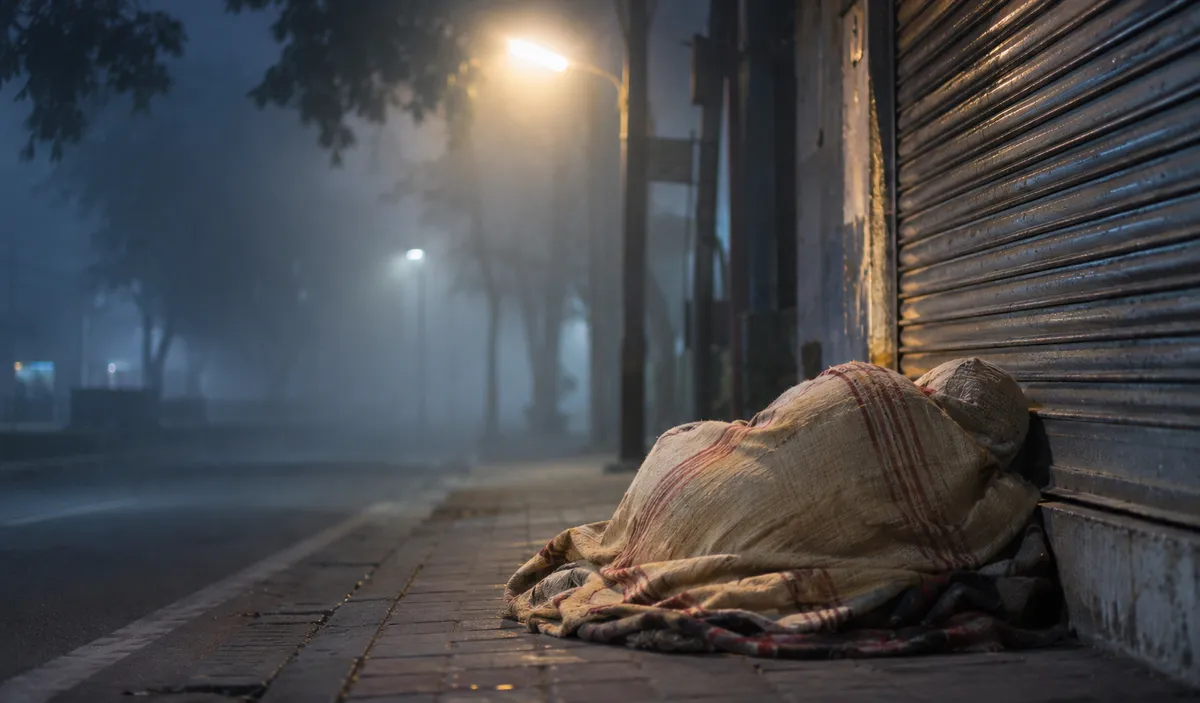
If you've always had a quilt, it's hard to picture a cold night without one. So let me describe it.
The cold comes up from the ground first. You can't sleep. You wake up every hour, curl tighter and pull your clothes closer. By morning, your hands and feet ache. You're tired before the day starts, and you still have to work.
Now imagine doing that for weeks. Imagine being a child, or sixty-five years old, or ill. That's the winter many people live through in our own cities. It doesn't make the news every day, but it's there. A blanket changes the night. It won't change a whole life, but it changes that night, and sometimes that matters most.
What Do Traditions Say About Blanket Donation?
Different families follow different customs, so I'll keep this simple. According to manyata, daan is a core part of dharma, and giving clothing is considered especially kind. Winter brings extra occasions for it.
Occasion | What many families do |
|---|---|
Makar Sankranti | Many people give khichdi, til, jaggery and warm clothes or blankets as daan |
Amavasya | Many families set aside daan for the needy on new moon days |
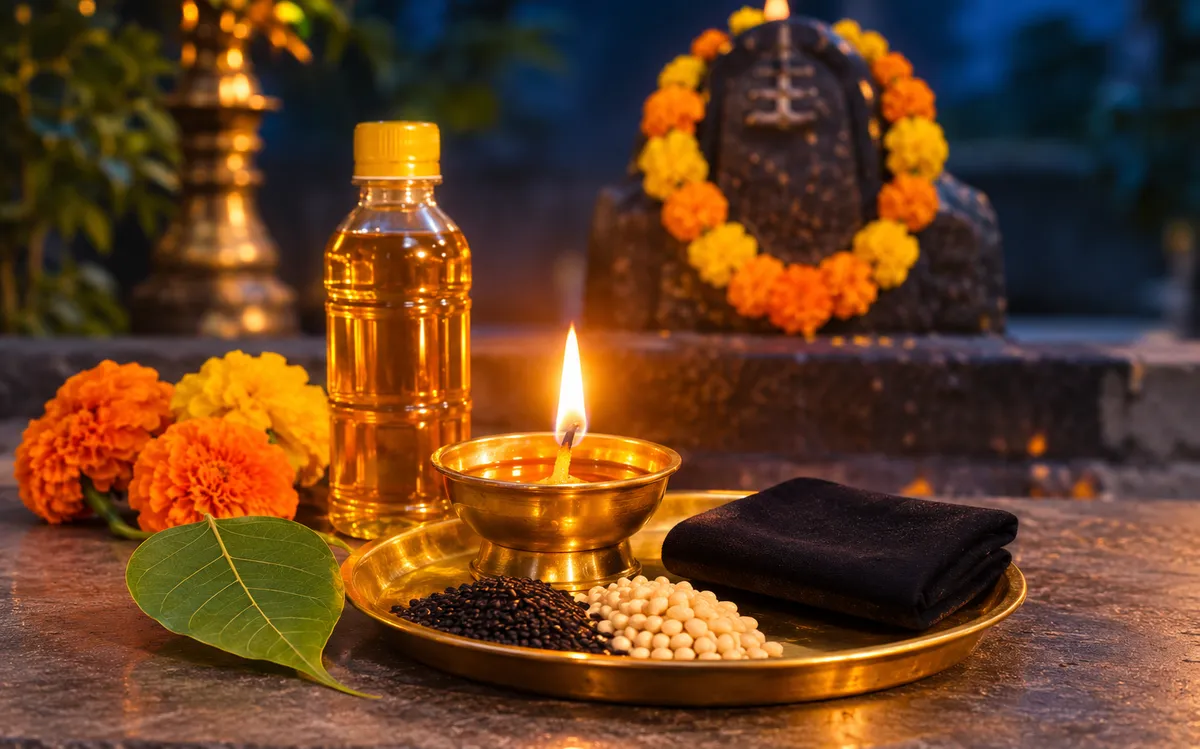
Saturdays | Some people give black or dark blankets on Saturdays, linked to Shani Dev in their tradition |
Pausha month | The coldest weeks. Many people see it as a good time for warm-clothing daan |
Birthdays and anniversaries | Some families give blankets to mark a special day |
Colour doesn't matter to the person shivering
If your family follows the black-blanket custom on Saturdays, go ahead. But don't hold back a blanket just because it isn't black. A warm blanket in any colour does the job. The need is the same.
You can read more about Saturday traditions in our guide on Shani Dev puja vidhi, mantra, samagri and daan.
Kambal Daan Ke Fayde: What Really Changes
Let's talk about what actually happens when you give a blanket. The benefits show up on both sides.
For the person who receives it
Warmth and sleep. A warm body sleeps better. Better sleep means more energy the next day.
Better health. Staying warm helps lower the risk of cold-related illness.
Dignity. Getting a blanket with respect reminds a person that someone noticed them.
Savings. For a family that counts every rupee, a free blanket frees up money for food or medicine.
For the person who gives
Peace of mind. Many donors say they feel lighter after giving.
Gratitude. Seeing how little some people have makes your own comfort feel less ordinary.
A habit of giving. Once you start with a blanket, you often start noticing other needs around you.
A lesson for kids. Children who help hand over a blanket learn kindness faster than from any lecture.
Does Kambal Daan Give Punya?
This is the question many readers ask. According to manyata and parampara, daan done with a clean heart brings punya. Many families truly believe this, and it motivates them to keep giving.
But I'd rather be straight with you. No one can promise that a blanket will fix a problem in your life or remove a dosh (an astrological fault). Anyone who says so is promising more than they can know. What you can say honestly is this: a blanket warms a real person tonight. And the traditions agree that giving with sincerity matters more than giving with show.
The bhaav is the heart of daan
Many traditions say daan should be given quietly and without pride. If you're giving only for photos or praise, the spirit gets lost. Give because someone needs it. Let that be enough.
What Daan Teaches Us
Giving isn't only about the receiver. Many people say it teaches them something too.
First, gratitude. When you hand over a blanket, you notice how much you take for granted. A warm bed. A closed door. Hot tea.
Then there's letting go. A blanket is a small thing to part with, so it's an easy place to practise non-attachment. You give it and move on, with no thank-you needed.
And one more thing happens, quietly. You start noticing. After your first blanket, you see who's sitting in the cold on your usual route. You look up from your phone more often. That alone can change how you move through a day.
Sardi Mein Daan: When and How Often?
You can give any time the weather is cold. But a few moments work better than others.
The first cold snap. Don't wait for January. Many people need a blanket as soon as nights turn cold in November.
Cold wave nights. When temperatures drop sharply, the need becomes urgent.
Festival days. Makar Sankranti and Amavasya are popular days for daan.
Wedding season. Winter weddings bring in extra workers and helpers, and some of them end up sleeping outdoors.
If you want to give more than once, spread it out. A few blankets in November, a few in December and a few in January help more people than one big donation. You can also check a shelter in your area before you go. Some are short of blankets by mid-winter.
Who Needs a Blanket the Most?
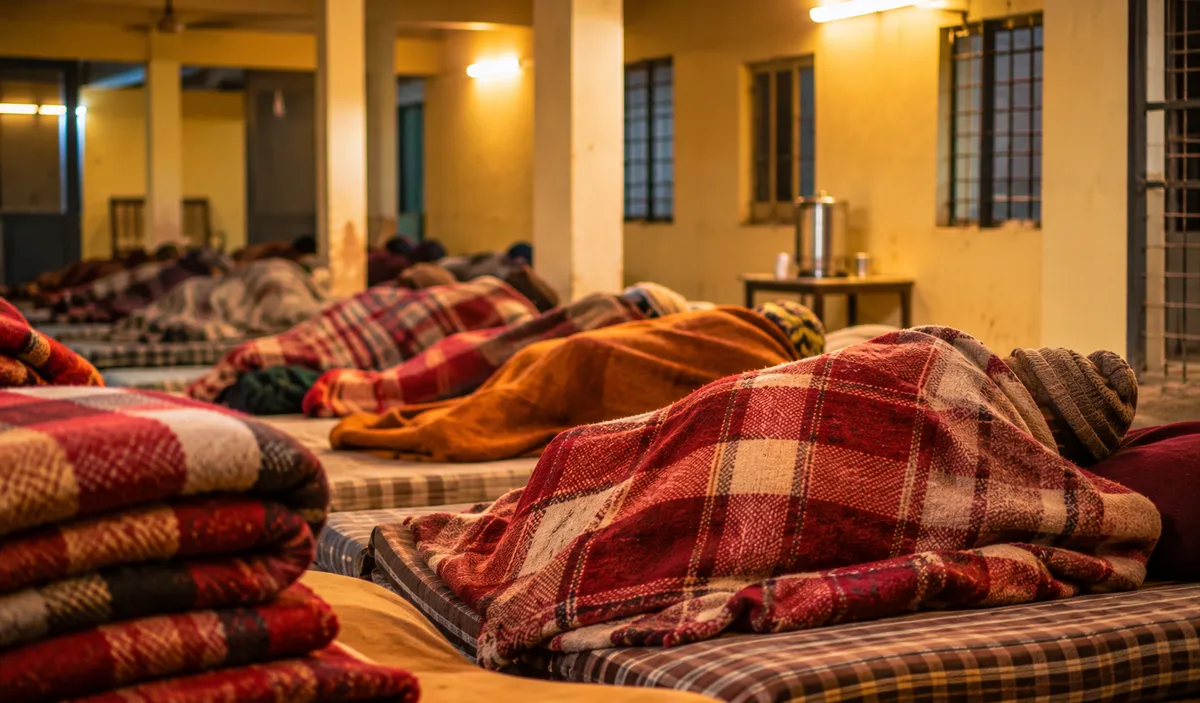
Look around you, and you'll spot the need quickly.
People sleeping on pavements, flyovers, bus stands and railway platforms.
Rickshaw pullers, night guards and daily-wage labourers who work late.
Old people living alone, especially in villages and slums.
Families in kutcha houses with thin walls and no heater.
Attendants waiting outside hospitals overnight.
Children in orphanages, shelters and low-income schools.
If you're not sure where to start, you could ask a local night shelter or a trusted charity what they need. That way, your blankets go where they matter most.
How to Give a Blanket the Right Way
Good intentions go further when you add a little thought. I'll keep this short and focus on the idea.
Give a clean blanket in good condition. If you wouldn't use it, don't give it.
Pick thick, warm material. A thin sheet isn't enough for a cold night.
Hand it over politely. Look at the person and smile.
Don't take photos unless they're comfortable with it. Their privacy matters.
Check the size. A single-bed size works for most people.
Other Small Ways to Keep Someone Warm
Blankets are the star here, but they're not the only thing that helps. If your budget is tight or you're giving with friends, mix it up:
Woollen caps and socks. They're light, cheap and surprisingly useful on cold nights.
A hot meal or a cup of tea. Warm food on a freezing night means a lot.
Sweaters and shawls. Good for elders and for people who walk or work outdoors.
Old but clean quilts. If you're clearing out your cupboard, give only what's in good condition.
A word to a shelter. If you know of a night shelter near you, tell others, or ask what they need.
Think of it as winter seva, not a single act. Each small thing adds a bit more warmth to someone's night.
Common Doubts About Kambal Daan
What people sometimes think | What helps in practice |
|---|---|
It has to be a new, expensive blanket. | A clean, warm blanket works. New is great, but good-condition used blankets help too. |
It only counts on special days. | Any cold night is a good time. Special days are a bonus. |
One blanket doesn't make a difference. | It does for the person who gets it. Small gifts add up. |
It should be black or dark. | Some traditions prefer that on Saturdays. Any warm colour is fine for helping someone. |
You must do it alone. | Families, friends and neighbours can pool money and give more blankets together. |
Make Kambal Daan a Family Tradition
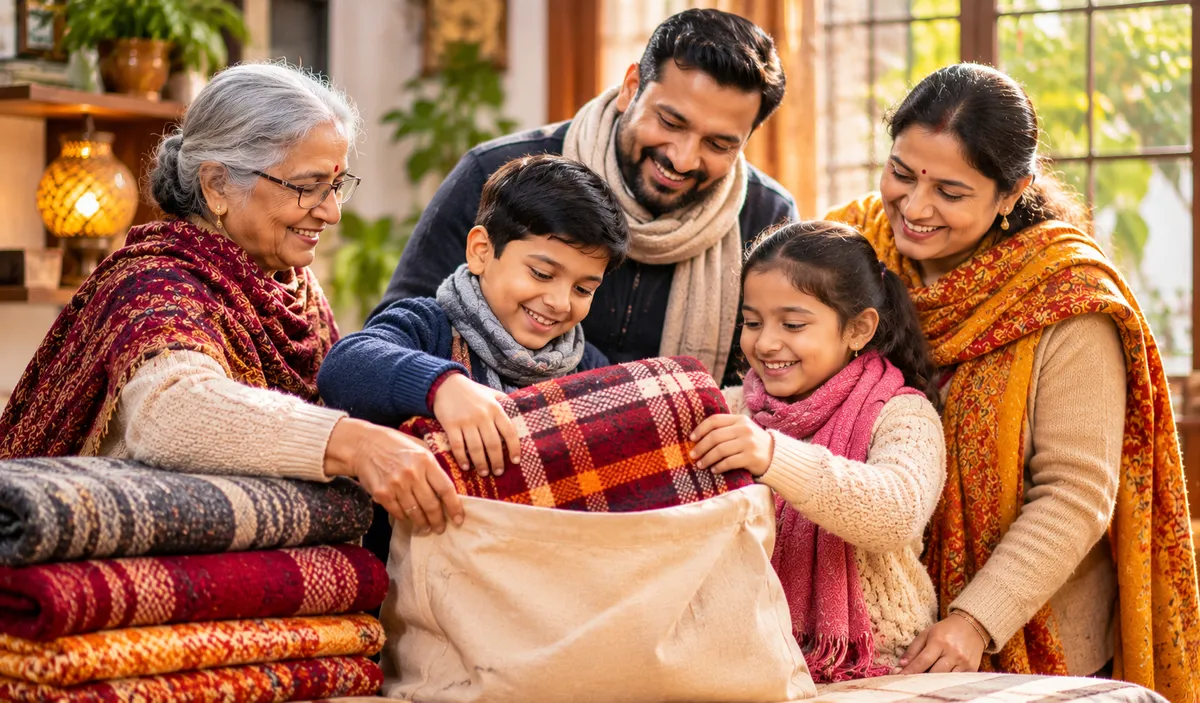
A one-time gift is good. A yearly habit is better. If you want to make it part of your family's winter, here are a few ideas that work well:
Pick a day. Choose one day each winter, like Makar Sankranti or the first Saturday of December, and make it your family's daan day.
Pool together. Siblings, cousins and neighbours can chip in. Ten small contributions become a lot of blankets.
Include the kids. Let children help choose and wrap the blankets. They'll remember it.
Remember the elders. Ask your grandparents what they used to give. Their stories often make the habit stick.
Mark it. Put it on the calendar, the way you do for festivals. What gets scheduled gets done.
Small and regular beats big and rare. Even two blankets a year, every year, add up over a lifetime.
Give From Home With Mobile Mandir
Not everyone can stand on a street at midnight with a stack of blankets. That's fine. You can still take part from home. Visit the Kambal Seva page on Mobile Mandir and see how you can help someone stay warm this winter.
If you like seva in other forms, you may also enjoy Gau Seva, Peepal Seva and Tulsi Seva. You can see everything in the Seva section.
One Blanket, One Warm Night
You don't need to change the world this winter. Start with one blanket. Hand it to one person who needs it. Next week, do it again. That's how a habit begins, and how a cold street gets a little kinder. Take care of yourself, stay warm and keep giving, from all of us at Mobile Mandir.
Frequently asked questions
Quick answers to what readers ask us the most.
Kambal daan means giving a blanket to someone in need, mostly in winter. Traditions see it as a kind form of vastra daan that brings punya, and in practical terms it helps a person stay warm and healthy.
There are three reasons. It meets a real need, it follows a long tradition of daan and it brings a feeling of compassion to the giver. Most people do it for a mix of all three.
For the receiver: warmth, better sleep, better health and dignity. For the giver: peace of mind, gratitude and a habit of kindness.
Any cold day works. Many people give at the first cold snap in November, during cold waves, on Makar Sankranti, on Amavasya and on Saturdays.
Give it to people who sleep outside or in cold rooms, such as pavement dwellers, labourers, elderly people living alone and families in poor housing. A local night shelter can also guide you.
Some families follow a black-blanket custom on Saturdays, but any warm blanket helps. The need matters more than the colour.
According to manyata and parampara, daan given sincerely brings punya. No one can guarantee specific results, but a warm blanket certainly helps a real person.
Yes. You can take part through the Kambal Seva page on Mobile Mandir without going out yourself