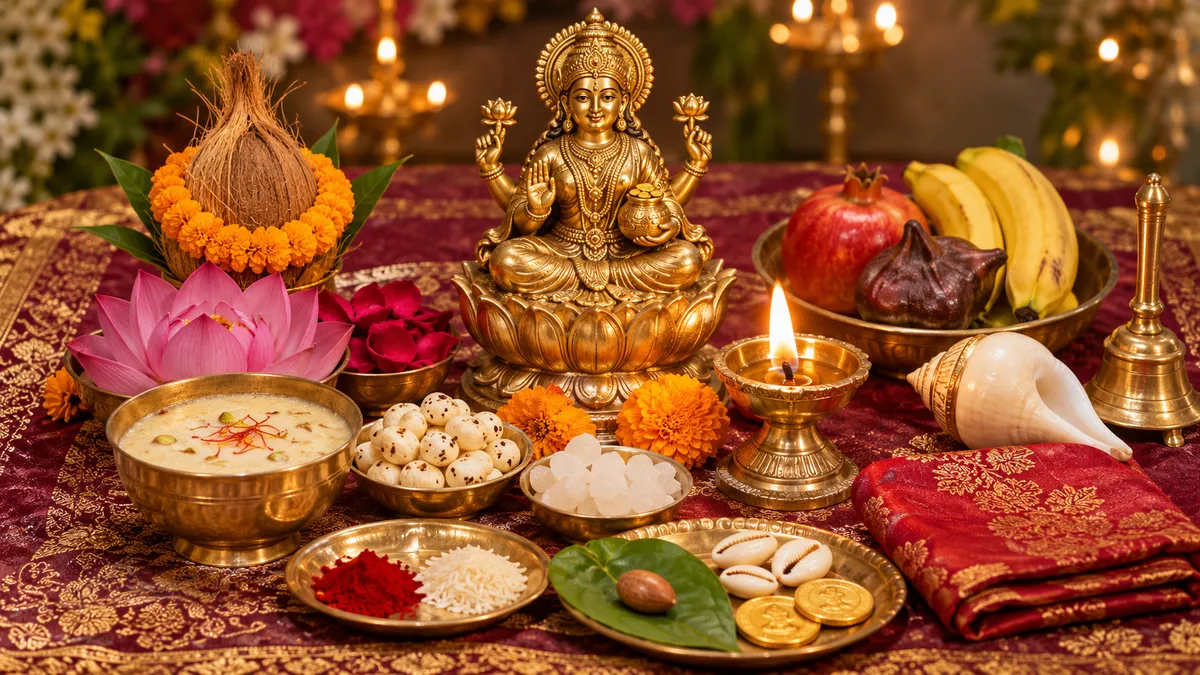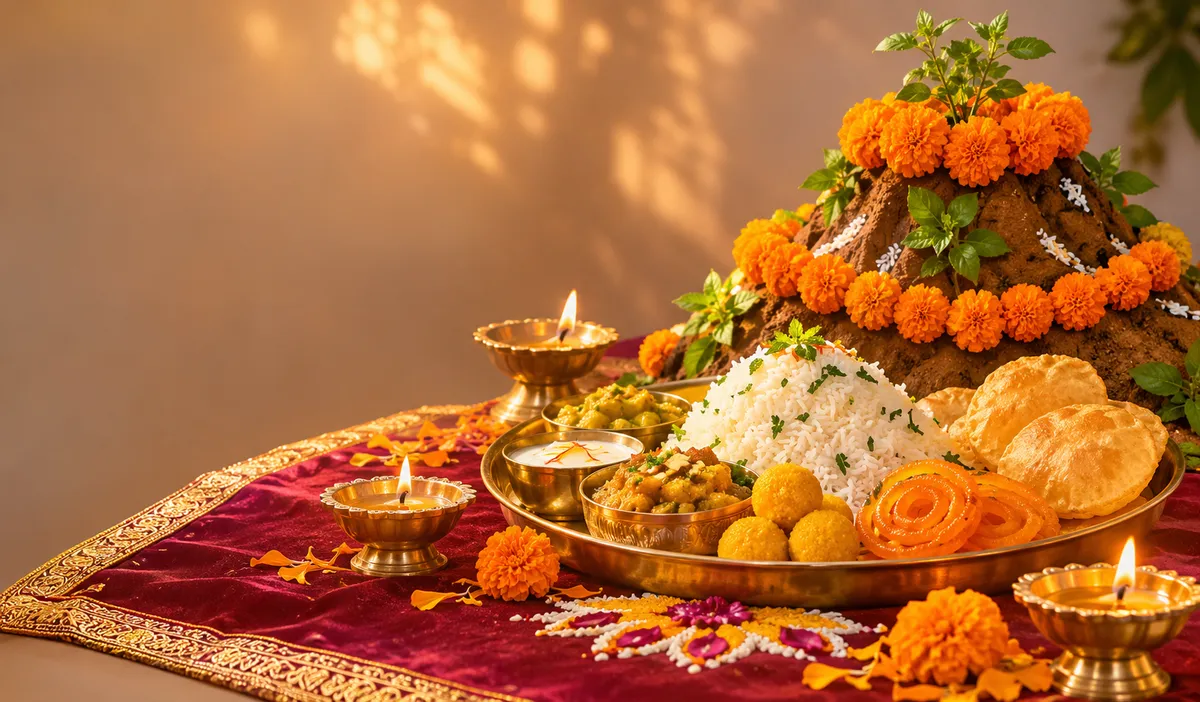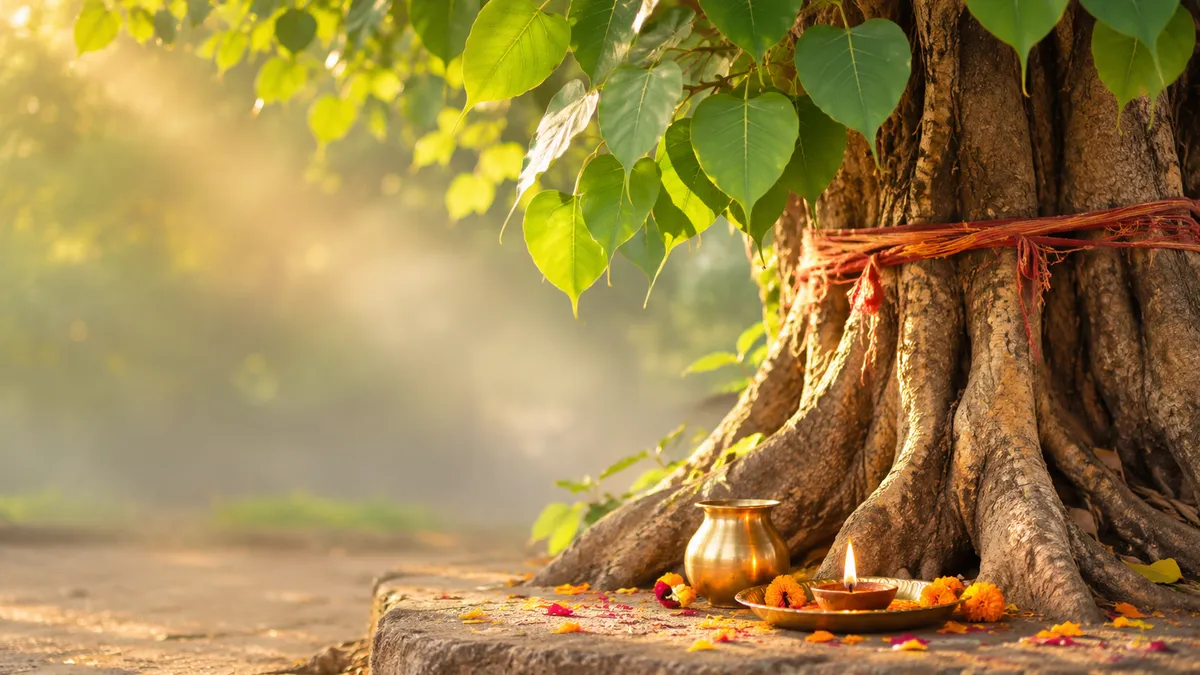
You've seen it, even if you never stopped to look. Old tree, faded red thread round the trunk, a diya gone black at the roots, marigold petals turning brown on the ground. Somebody was here this morning.
Right, the question you came with: which trees and plants are worshipped in India? Quite a few. Among trees, the peepal, banyan, bael, neem, ashoka, amla and mango. Among plants, tulsi, durva and the lotus. Ask for a single winner and most people will say peepal for trees, tulsi for plants.
The quick answer Most worshipped tree? The peepal, also called Ashvattha. Most worshipped plant? Tulsi. National tree? The banyan. The sacred five? Peepal, banyan, bael, amla and ashoka, together called Panchavati. Shiva's pick? Bael. For Ganesha? Fresh durva grass. |
Below: why we do all this, the stories, what to grow at home, and how to pray at a tree without hurting it. If your family does things differently, stick with your family. They know best.
Why Does India Worship Trees and Plants?
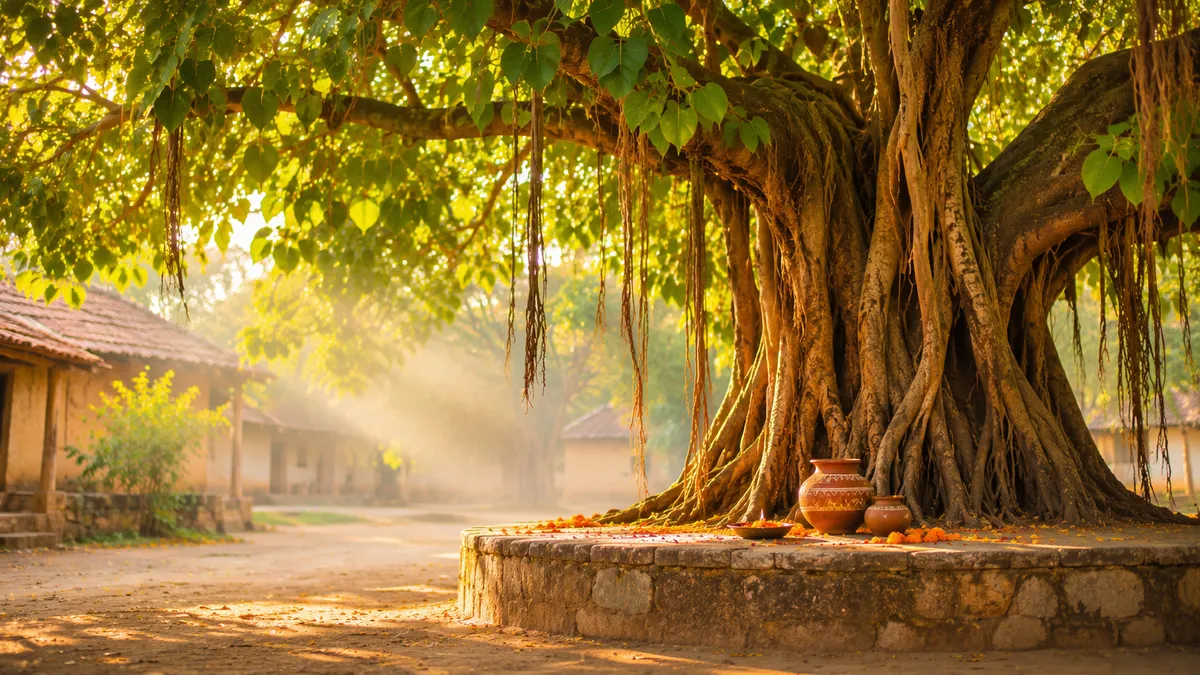
Honestly, it starts with gratitude. A tree gives shade in May, fruit in season, a place to tie a thread and make a wish. You say thank you with a little water. Add the Hindu idea that rivers, hills, animals and trees are all sacred, and there you have it.
And look at how villages work. The old tree is the meeting spot: afternoon naps, gossip, the odd panchayat argument, the yearly festival. Hard to cut down something your whole street sits under. (Wikipedia has a short page on sacred trees if you're curious.)
Worth knowing Sacred groves dot many states, and local belief often protects them. Banyan, peepal and neem together make a Triveni grove. And yes, the banyan really is India's national tree. |
Four Stories Behind the Sacred Trees
Almost every sacred tree has a story. Here are the four people retell the most.
The peepal in the Bhagavad Gita
Krishna himself brings up the peepal. In chapter 10 of the Gita he says that among trees, he is the Ashvattha. Some families go further and read the roots as Brahma, the trunk as Vishnu and the leaves as Shiva. Small wonder so many temples have one.
Tulsi and Lord Vishnu
Tradition hands tulsi to Vishnu and Lakshmi. In plenty of Vaishnava homes she gets watered first thing, before the day's chores. Then every Kartik comes Tulsi Vivah, her symbolic wedding to Vishnu, which many families celebrate like the real thing.
Bael and Lord Shiva
Look closely at a bael leaf. Three leaflets, joined at the base. Some people read them as the Trimurti, others as Shiva's trident. Either way, these leaves go on the linga, especially on Mondays and Maha Shivratri.
Ashoka and Sita
When Sita waited in Lanka, the story says she sat under an ashoka tree. The word means "without sorrow", which might be why people like planting it near temples and homes.
Most Worshipped Trees in India and Who They Are Linked With
Here's a cheat sheet for nine trees you'll keep running into at temples, courtyards and festivals.
Tree | Linked with | Why people respect it | How people worship it |
|---|---|---|---|
Peepal (Ashvattha) | Vishnu, Brahma and Shiva; common at Hanuman and Shani temples | Krishna names it in the Gita, and it shades many temples and squares | Water at the base, a diya, a few clockwise rounds. Many go on Saturdays |
Banyan (Vat) | The Trimurti; Vat Savitri | Enormous, long-lived, and India's national tree | On Vat Savitri, married women tie threads and circle it |
Bael (Bilva) | Its three leaflets are read as the Trimurti | Bel leaves on the linga | |
Neem | Village goddesses, and Durga in some regions | Seen as protective, and part of the Triveni trio | Water and haldi at the base, leaves for the goddess |
Ashoka | The name means without sorrow | Planted near homes and temples | |
Amla | One of the sacred five | Worship and a meal under the tree on Amla Navami | |
Mango | Used in many pujas | Leaves hang on doors and sit in the kalash | Fresh leaves for toran and kalash |
Banana | Vishnu; many homes worship it on Thursdays | Its leaves serve as plates for prasad | Water, haldi and a diya on Thursdays |
Coconut | Lakshmi (shriphal) | Offered in almost every puja | Offered whole, then shared as prasad |
Sacred Plants and Flowers: Tulsi, Durva, Kusha and Lotus
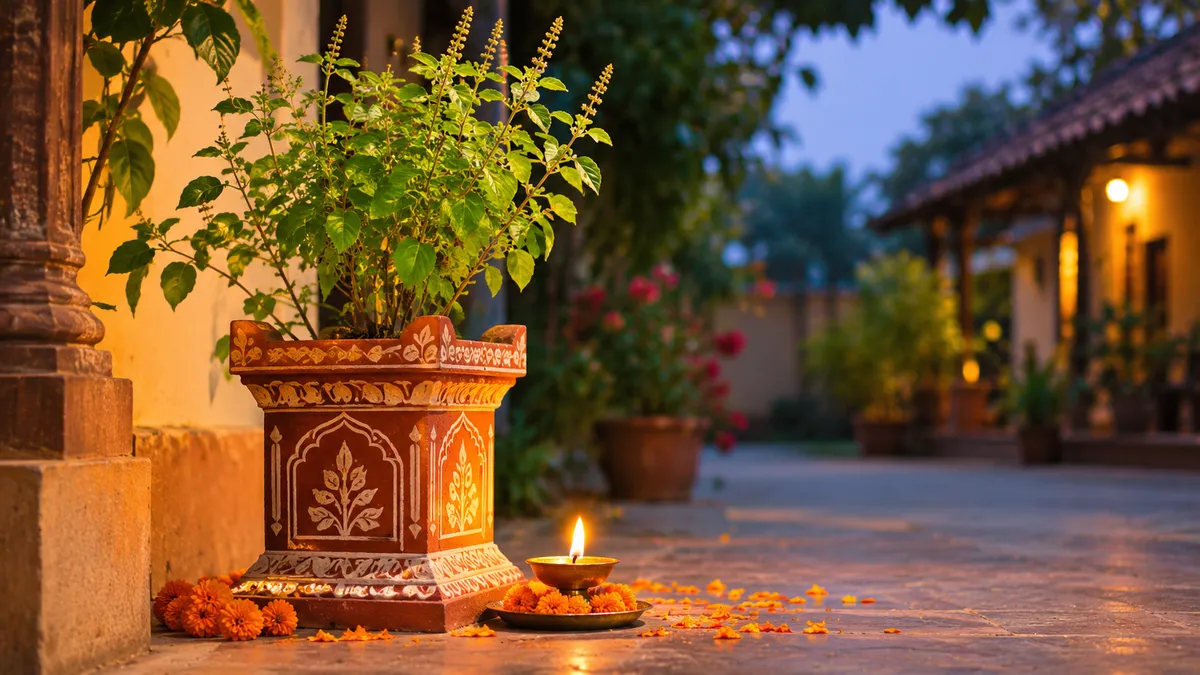
Not everything sacred is a tree. Some of the most used plants are tiny, living in a pot or a strip of grass.
Tulsi lives in courtyards and on balconies and belongs to Vishnu and Lakshmi. Water her daily, light a diya at dusk. Her aarti is here: Lakshmi Mata aarti.
Durva: Ganesha's grass. Fresh, in small bunches.
Kusha turns up in Vedic rituals, usually as a ring or a seat for the person performing the puja.
The lotus goes to Lakshmi and Saraswati, offered whole.
Paan leaf and a supari, in most pujas.
The Five Sacred Trees of Panchavati
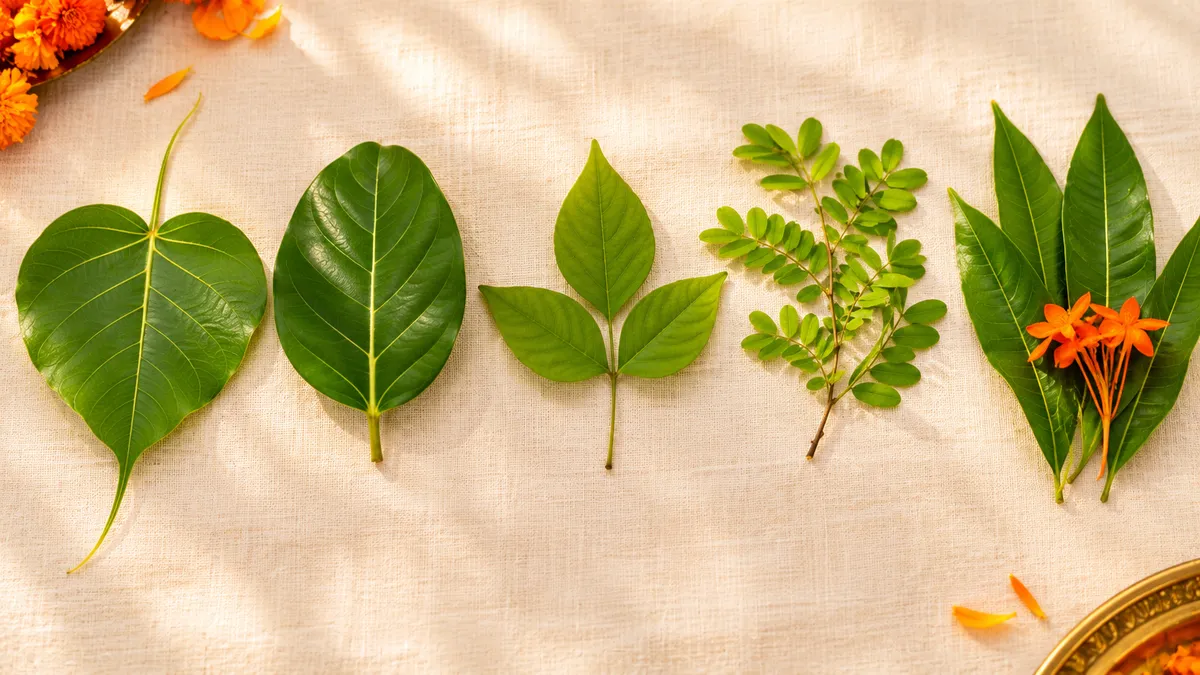
Panchavati is a grove of five trees. It's also the answer to "what are the five sacred plants in Hinduism?" Not every text agrees on the list, but most go with these.
Peepal (Ashvattha). Tied to Vishnu, named in the Gita.
Banyan (Vat). Long life, and Vat Savitri.
Bael (Bilva). Shiva's tree.
Amla (Amalaki). Linked with Vishnu, and with Amla Navami.
Ashoka. Sita's tree, and the one that means "without sorrow".
How a Panchavati grove is laid out One planting plan used for village groves puts peepal in the east, banyan in the north, bael in the centre, amla in the west and ashoka in the south. Some lists add the udumbara or swap a tree. Nashik even has a place called Panchavati, tied in tradition to Rama's time in the forest. |
Lord Shiva's Favourite Tree: The Bael
Shiva's favourite? The bael, easily. The three-part leaf, the bel patra, is what people carry to the temple, and it costs next to nothing, which probably helps.
Pick a whole leaf. No tears, no insect holes.
Rinse it first.
Mondays and Maha Shivratri are when everyone turns up with one.
Some families won't pluck bael leaves on certain days, such as Amavasya or Sankranti. If yours has that rule, keep it.
Watch the thorns Bael has thorns, so use a stick or gloves. And please don't strip a branch bare. |
Religious Plants for Home: What to Grow and What to Avoid
No temple compound? No problem. It mostly comes down to sunlight and space, so here's a simple split.
Easy in a pot or small space
Tulsi wants good sun. Morning water, clean soil.
Durva will grow in a small tray or a patch of lawn without much fuss.
Lotus needs a tub of standing water and plenty of sun.
Need a garden or open space
Bael is big and thorny. A garden suits it better than a flat.
Amla, neem, mango and banana need elbow room. Keep them away from the wall.
Better outside the compound
Peepal and banyan send roots everywhere, and roots crack walls. Most people water one at a nearby temple or park instead.
No space, or no sacred tree nearby? A small pot of tulsi works for many families. You can also arrange tree seva online, covered a little further down. |
How to Worship a Tree at Home or in the Temple
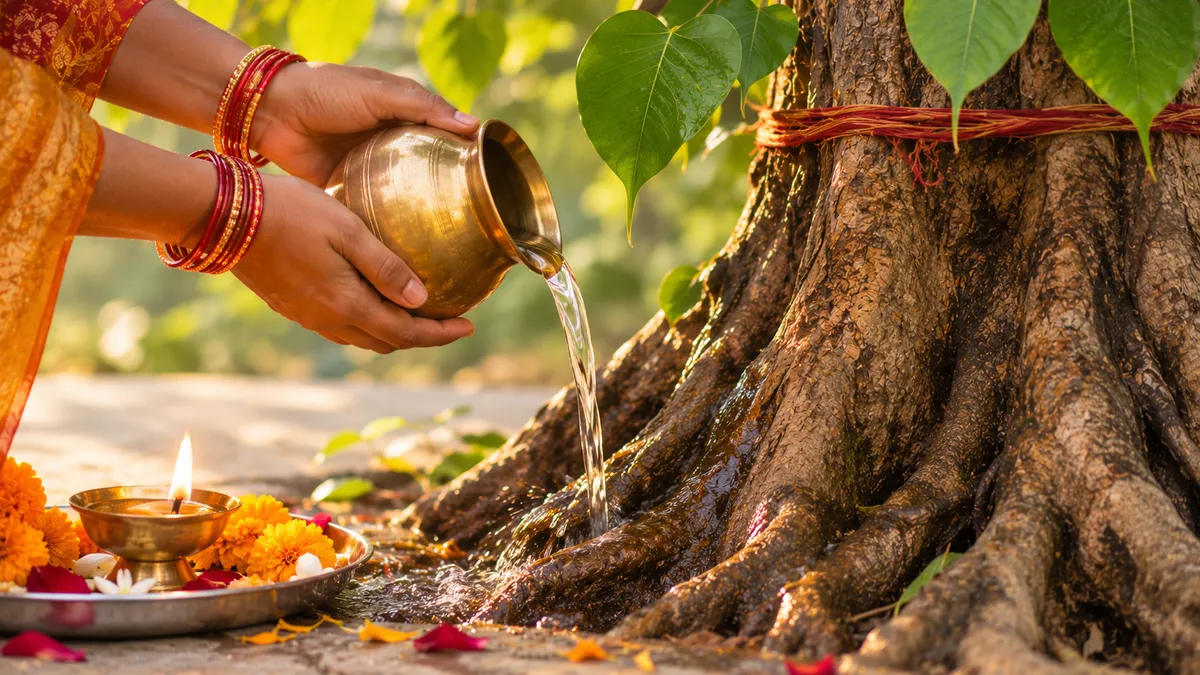
Ten minutes, no priest needed. Here's the usual way.
Go in the morning, after a bath, in clean clothes.
Sweep around the tree and pick up plastic or litter.
Pour water slowly at the base from a small lota.
A dab of haldi or kumkum on the trunk, a pinch of rice.
Diya on a small plate, never straight on the roots.
Walk round the tree clockwise, slowly, a few times.
A short mantra, or simply thanks.
Leave it clean. No nails, wires or plastic bags on the trunk.
Safety first Keep flames, incense and camphor away from bark and dry leaves, and never leave a lit diya alone. |
Festivals When Trees and Plants Are Worshipped
Some festivals are built around one tree or plant. The dates move each year, so peek at your panchang.
Vat Savitri (Vat Purnima): married women tie threads around a banyan and walk around it.
Tulsi Vivah: tulsi's symbolic wedding to Vishnu, in the Kartik season.
Maha Shivratri: bel leaves for the Shiva linga.
Ganesh Chaturthi: durva for Ganesha.
Amla Navami: worship, and a meal, under the amla tree.
More guides live in our festival blog and on the Mobile Mandir blog.
Can't Reach a Sacred Tree? Try Peepal Seva or Vanspati Seva Online
No peepal nearby? Can't make it on Saturday? Fair enough. Mobile Mandir has tree seva done through verified seva partners.
Peepal Seva: a verified partner offers water to a sacred peepal and looks after the tree on your behalf. You get video proof once it's done.
Vanspati Seva: seva for trees and plants, carried out through verified partners.
How it works Payments go through a secure escrow system, and funds reach the partner only after photo or video proof is verified. Amounts and details are on each seva page in the app. |
Caring for Sacred Trees: Eco-Friendly Habits
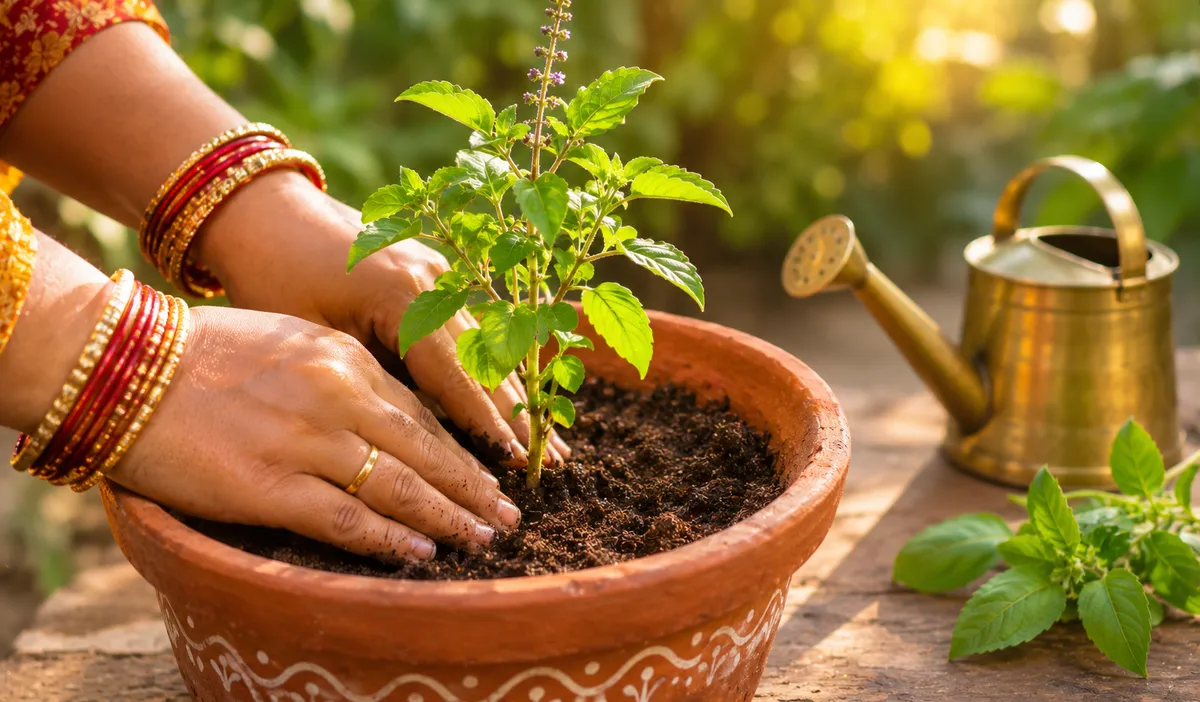
Praying to a tree and then hurting it makes little sense. So a bit of care comes with the deal, and most of it is free.
Plant a sapling if you can. Peepal and banyan need open land. Tulsi and durva are happy in pots.
Offer flowers and water. Skip plastic decorations and synthetic colours.
Take only what you need. A tulsi or bael stripped bare takes a long time to recover.
Ask before cutting or pruning a tree your neighbourhood treats as sacred.
Do's and Don'ts
Do | Don't |
|---|---|
Offer clean water and fresh flowers | Hang plastic, wires or nails on the trunk |
Keep diyas on a plate | Burn lamps or incense against the bark |
Take fresh leaves only when needed | Strip a plant bare |
Follow your family's custom | Argue over regional differences |
Clean up after the puja | Leave litter around the tree |
Respect the Green Around You
Strip it down and the trees and plants worshipped in India share one idea: say thanks to whatever shelters and feeds you. A pot of tulsi counts. So does a lota of water at the peepal, or a single bael leaf on a Monday. Do it gently.
Finish with a few rounds of Naam Jaap or a short aarti if you like. The deities tied to these trees are on our deities page. And if a tree is out of reach this week, try Peepal Seva or Vanspati Seva.
Visiting a temple with a sacred tree soon? Temple darshan on the app can help.
Get the Mobile Mandir app on the App Store or Google Play.
Thanks for reading, from all of us at Mobile Mandir.
Frequently Asked Questions
Short answers to what people ask most.
A lot, honestly. Trees: peepal, banyan, bael, neem, ashoka, amla, mango, banana, coconut. Plants: tulsi, durva, kusha, the lotus. Which one gets the most attention changes from state to state.
The peepal, usually. Krishna names it in the Gita, and plenty of temples have one beside them. The banyan runs a close second and is India's national tree.
Tulsi, by a distance. Vishnu and Lakshmi are her people, and she's on countless balconies. Durva, kusha and the lotus come after.
Peepal, banyan, bael, amla and ashoka make up Panchavati. A few texts swap one or add the udumbara. Tulsi is hugely sacred too, though she isn't in the five.
Bael. Its three-part leaf, bel patra, goes on the linga, mostly on Mondays and Maha Shivratri. Some read the three leaflets as the Trimurti, some as Shiva's trident.
Tulsi and durva, easily, both in pots. A lotus just needs a tub of water. Bael, amla, neem, mango and banana want a garden. Peepal and banyan? Leave those outside the compound, because the roots travel.
Saturday belongs to Shani, and many people water the peepal that day. You'll often spot one near Shani and Hanuman temples. Beliefs differ though, so another day is fine too.
Keep a tulsi in a small pot and you're set for daily worship. Visit a peepal or bael at a temple or park when you can. How much care you bring counts for more than how big the tree is.
Yes. A verified seva partner on Mobile Mandir offers water to a sacred peepal for you, and you receive video proof afterwards. For other trees and plants, there's Vanspati Seva.