In my grandmother's kitchen, Saturday meant a small steel bowl of black til sitting by the window. Tuesday meant a few extra laddoos wrapped in paper. Thursday meant yellow dal, and a banana for whoever came to the door. Nobody wrote it down. She just knew which day had which daan, the way she knew which day the milkman came. Many families still follow this rhythm, and plenty of people are curious about it. So let's walk through it together.
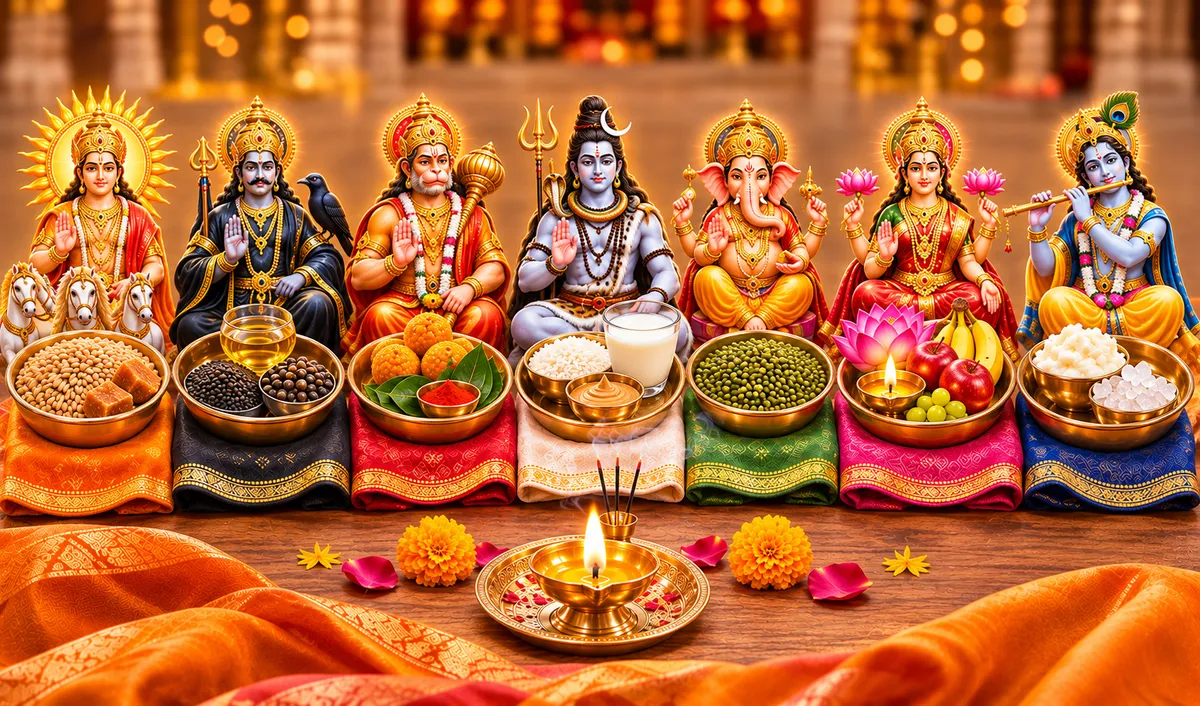
According to tradition, each day of the week is linked with a deity and a planet, and families donate things connected to that day. Sunday is for Surya, Monday for Shiv Ji, Tuesday for Hanuman Ji, Wednesday for Ganesh Ji, Thursday for Vishnu, Friday for Lakshmi Mata and Saturday for Shani Dev. In this guide, I'll cover what people usually donate each day, why, how to give properly, and what to do if you can't give items yourself.
Shubh Daan at a Glance
Here's the whole week in one table. Customs differ from family to family, so treat this as a common pattern, not a strict rule.
Day | Deity / planet | Items many families donate | Colour |
|---|---|---|---|
Sunday | Surya Dev | Wheat, jaggery, copper items, red cloth | Red, saffron |
Monday | Shiv Ji, Chandra | Milk, rice, sugar, curd, white cloth | White |
Tuesday | Hanuman Ji, Mangal | Masoor dal, jaggery, laddoos, red cloth | Red |
Wednesday | Ganesh Ji, Budh | Green moong dal, green vegetables, ghee | Green |
Thursday | Vishnu, Brihaspati | Chana dal, banana, turmeric, yellow cloth | Yellow |
Friday | Lakshmi Mata, Shukra | Rice, sugar, curd, white sweets, white cloth | White, pink |
Saturday | Shani Dev | Black til, mustard oil, black urad dal, blankets | Black, dark blue |
Why Does Daan Matter in the First Place?
Before we get into weekdays, here's the bigger idea. Daan is one of the oldest habits in Indian life. The thought is simple: what you have isn't only for you. When you share a part of it, your life gets lighter, and someone else's gets easier.
That's why the idea has lasted for centuries. It doesn't need a temple or a priest. A plate of food at your door counts. A blanket for a stranger counts. The weekday pattern only gives you a reason to remember.
Why Do People Give Different Daan on Different Days?
The idea comes from a very old way of looking at time. In Hindu tradition, each weekday is dedicated to a deity and connected with a graha, a planet. Giving something linked to that deity or planet is seen as a way of offering respect to them.
A few things make this practice stick:
It gives your week a pattern. You always know what's coming. Monday is for Shiv Ji. Saturday is for Shani. That rhythm calms many people.
It turns belief into action. You're not just praying. You're giving something real to someone who needs it.
It keeps giving regular. A weekly habit adds up to more than a big gift once a year.
A fair word before we start
Everything in this guide comes from manyata and parampara, meaning belief and tradition. It isn't a guarantee of results. Nobody can promise that one donation will change your luck. What you can count on is simpler. Someone gets food, warmth or help, and you build a habit of giving.
Sunday: Daan for Surya Dev
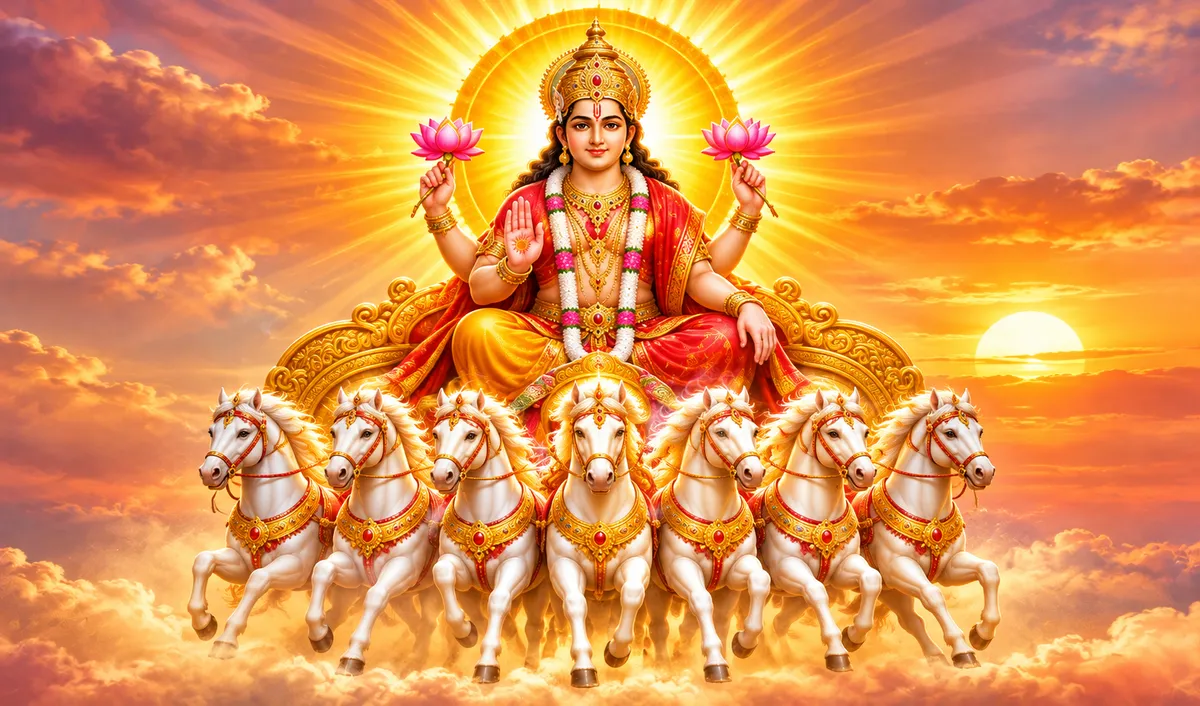
Sunday belongs to Surya, the Sun. People link the day with energy, health and confidence. The usual daan has the colour and feel of the Sun: wheat, jaggery, copper items and red or saffron cloth.
Many families give wheat or jaggery to someone who needs food. Others offer water to the rising sun in the morning and donate afterwards. If you want something practical, a bag of wheat flour goes a long way for a family that's counting every rupee.
Monday: Daan for Shiv Ji
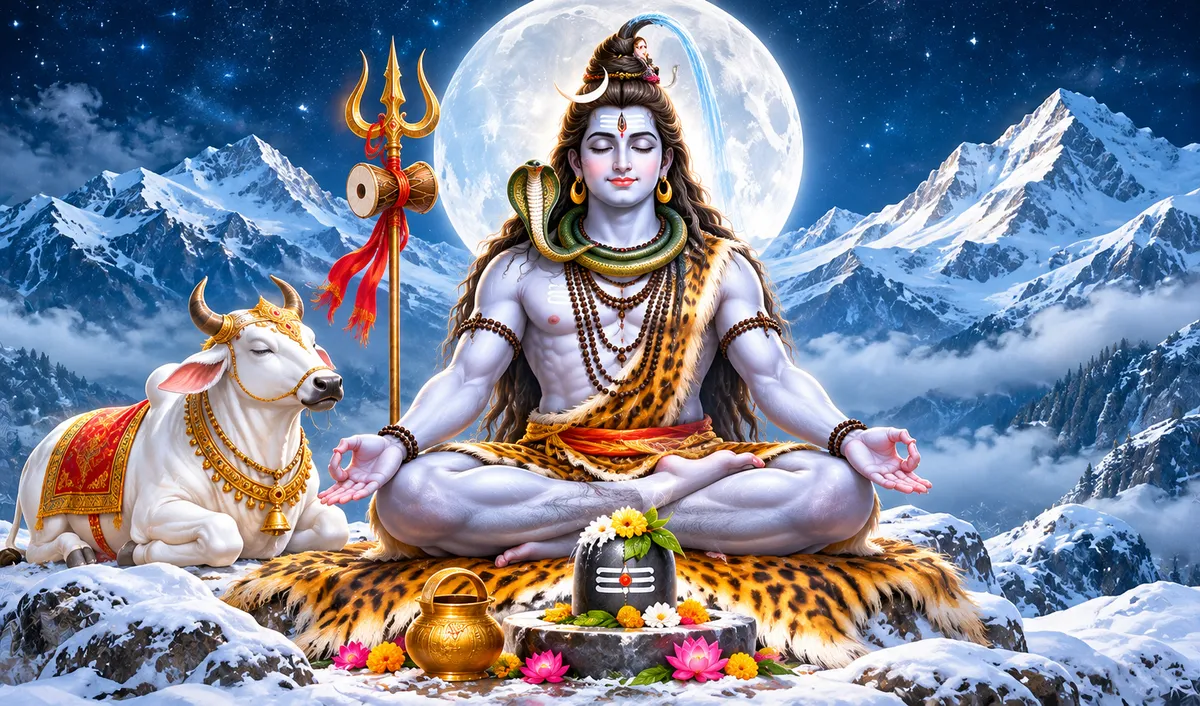
Monday is Shiv Ji's day, and it's also tied to the Moon. White things come to the front: milk, rice, sugar, curd and white cloth. Many people fast on Mondays and give milk or rice afterwards.
Shiv Ji Seva |
Tuesday: Daan for Hanuman Ji
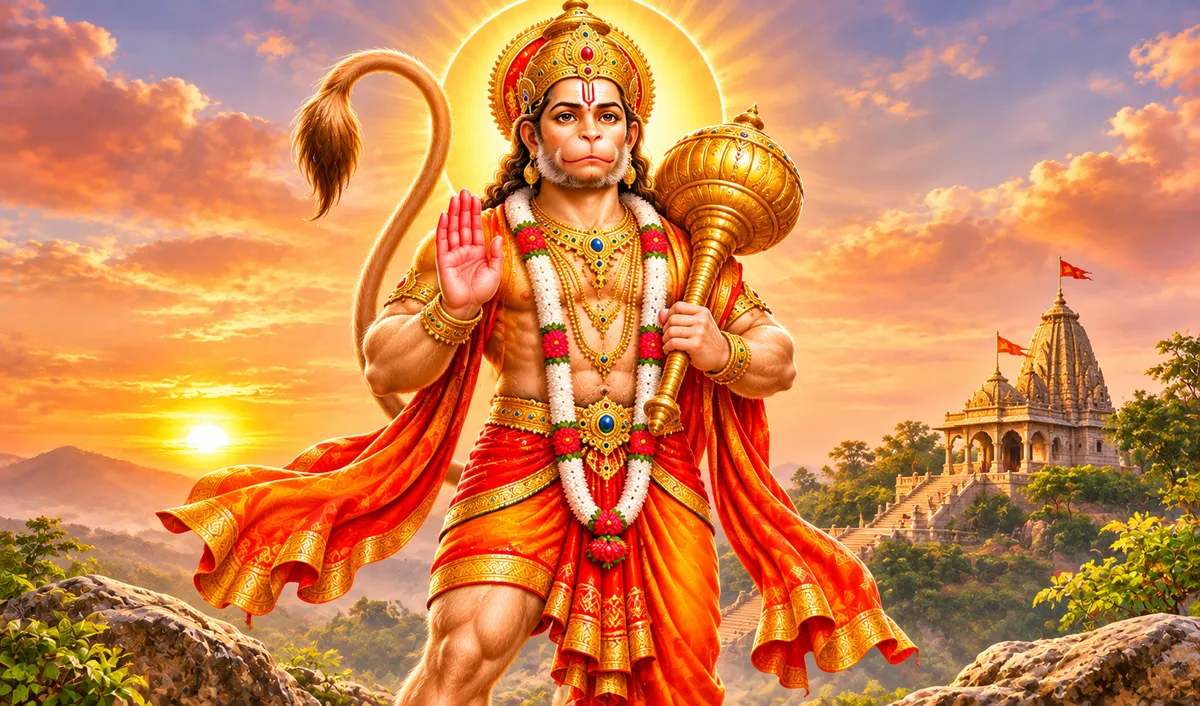
Tuesday is for Hanuman Ji, and it's linked with Mangal, Mars. The colour is red. People usually give masoor dal, jaggery, laddoos or boondi, and red cloth. Many also visit a Hanuman temple and share prasad.
Laddoos are a simple one. Buy a small box and give it to a few people on your way home. It costs little and the smile you get back is real.
Hanuman Ji Seva |
Wednesday: Daan for Ganesh Ji and Budh
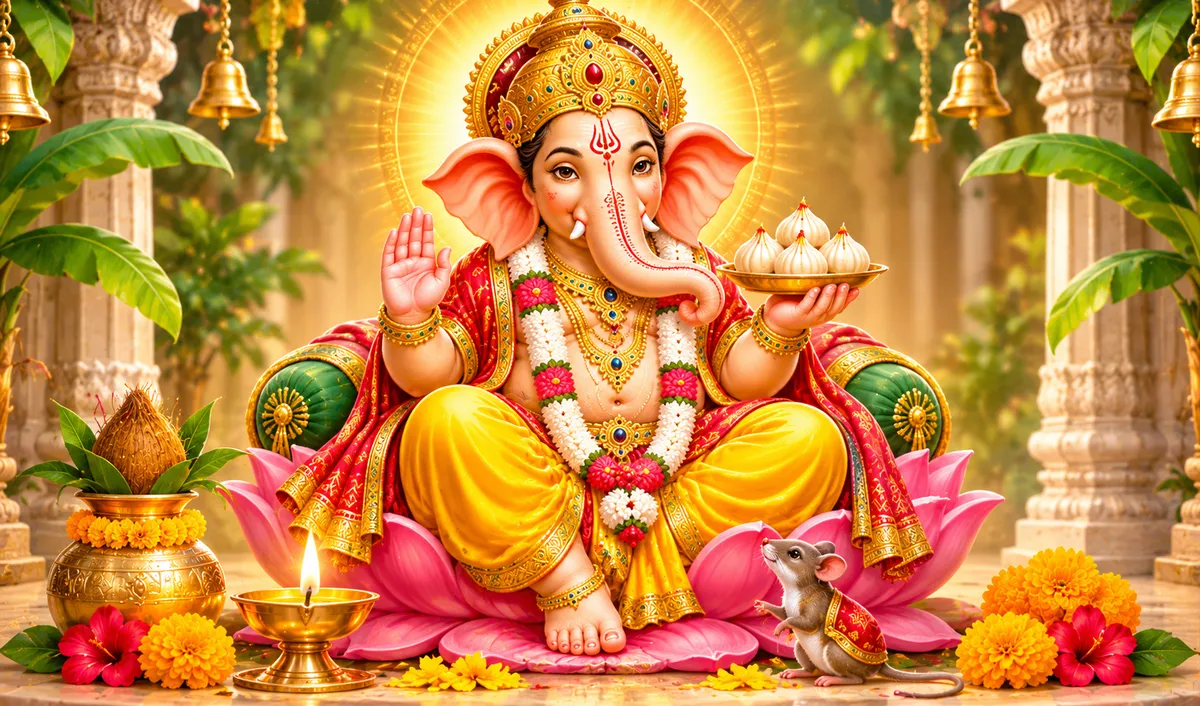
Wednesday is for Ganesh Ji, the one who removes obstacles, and for the planet Budh, Mercury. Green is the colour of the day. Green moong dal, fresh green vegetables and ghee are common choices.
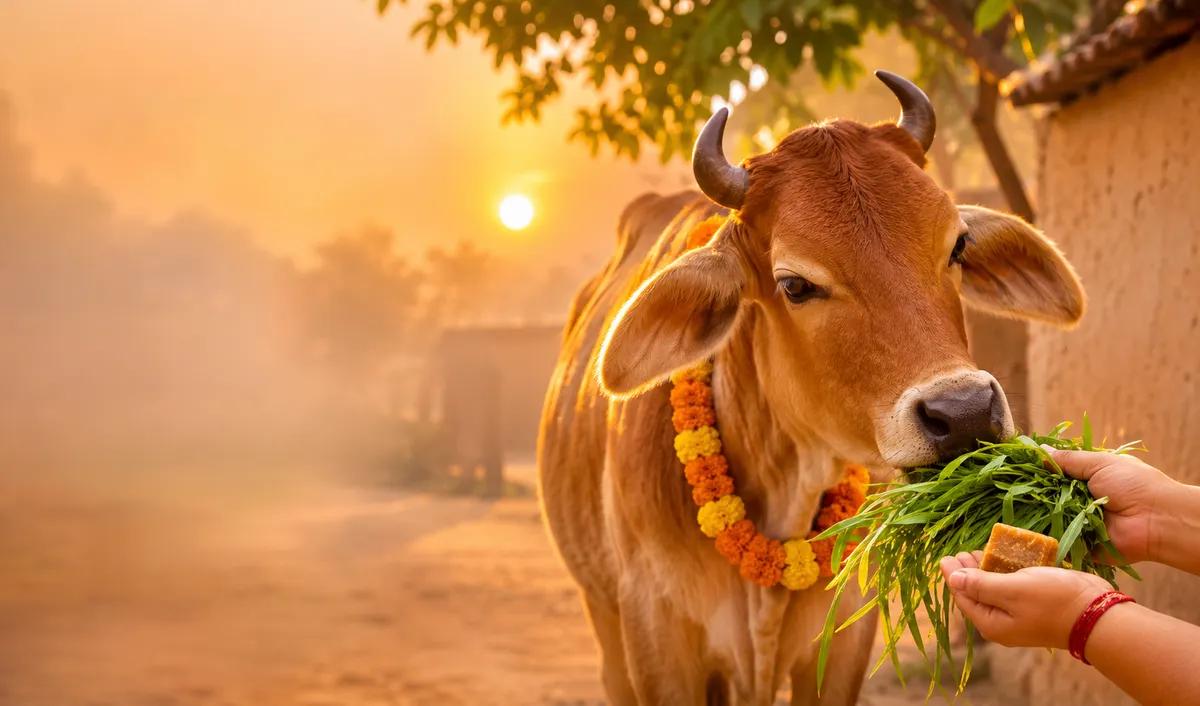
This is a good day to give fresh vegetables to a family that rarely gets them. Some people also give green fodder to cows. It's useful, it's cheap and it's fresh.
Thursday: Daan for Vishnu and Brihaspati
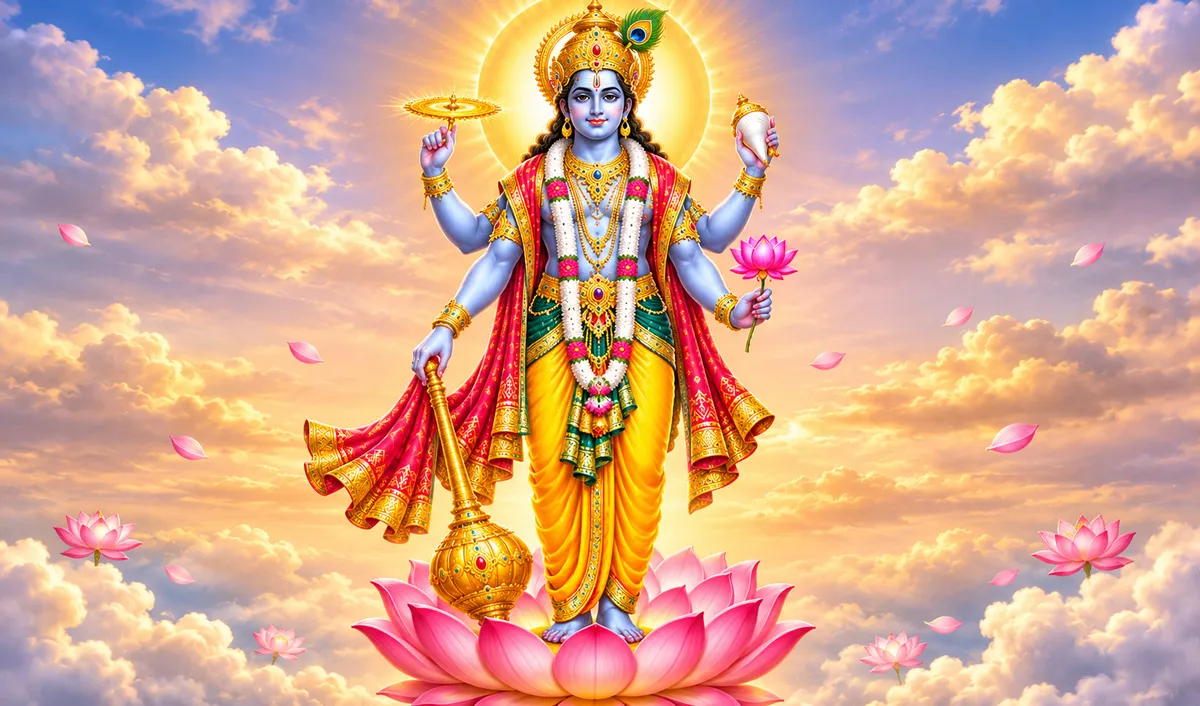
Thursday is dedicated to Lord Vishnu and to Brihaspati, the guru of the devas. Yellow is the colour. Chana dal, bananas, turmeric, besan laddoos and yellow cloth are the usual items.
Shri Krishna is a form of Vishnu, so many devotees also offer seva to him on Thursdays. Giving bananas to children, or chana dal to a family, is an easy Thursday habit.
Shri Krishna Ji Seva |
Friday: Daan for Lakshmi Mata
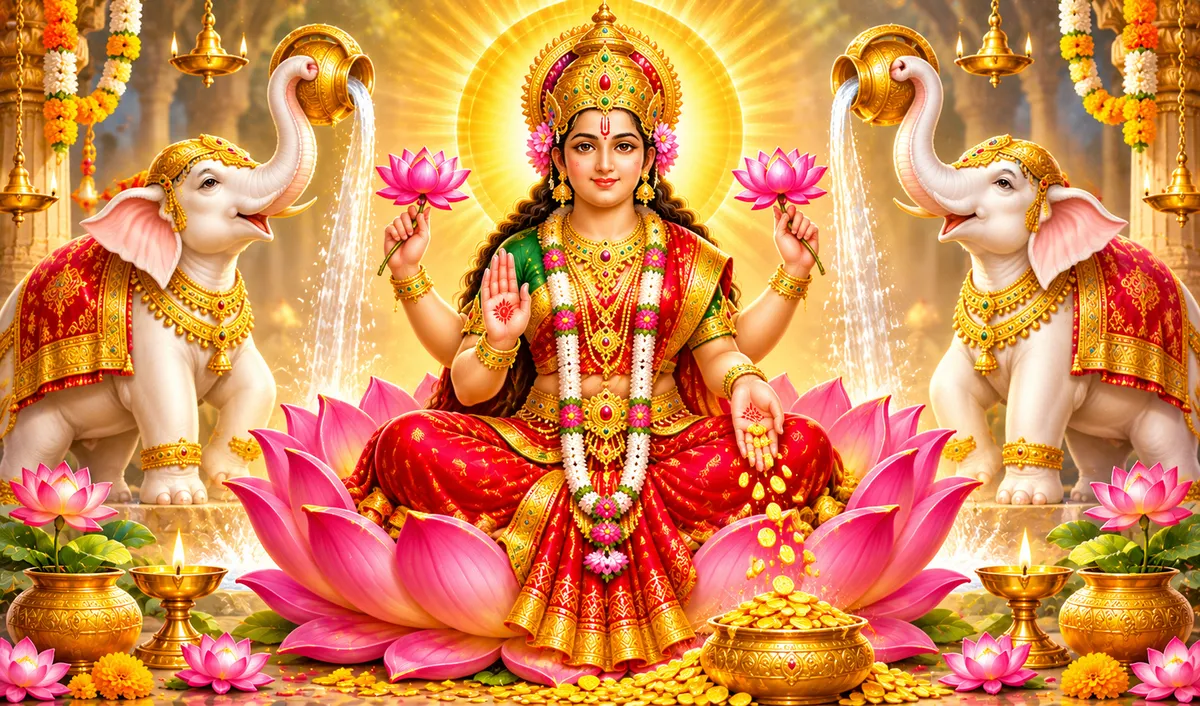
Friday is Lakshmi Mata's day, and it's also tied to Shukra, Venus. White and soft pink come to mind: rice, sugar, curd, kheer, white sweets and white cloth.
Families often pray for prosperity and peace at home on this day. Giving a meal or a bag of rice to someone in need fits the spirit well. Lakshmi, in this view, is as much about sharing as about earning.
Lakshmi Mata Ji Seva |
Saturday: Daan for Shani Dev
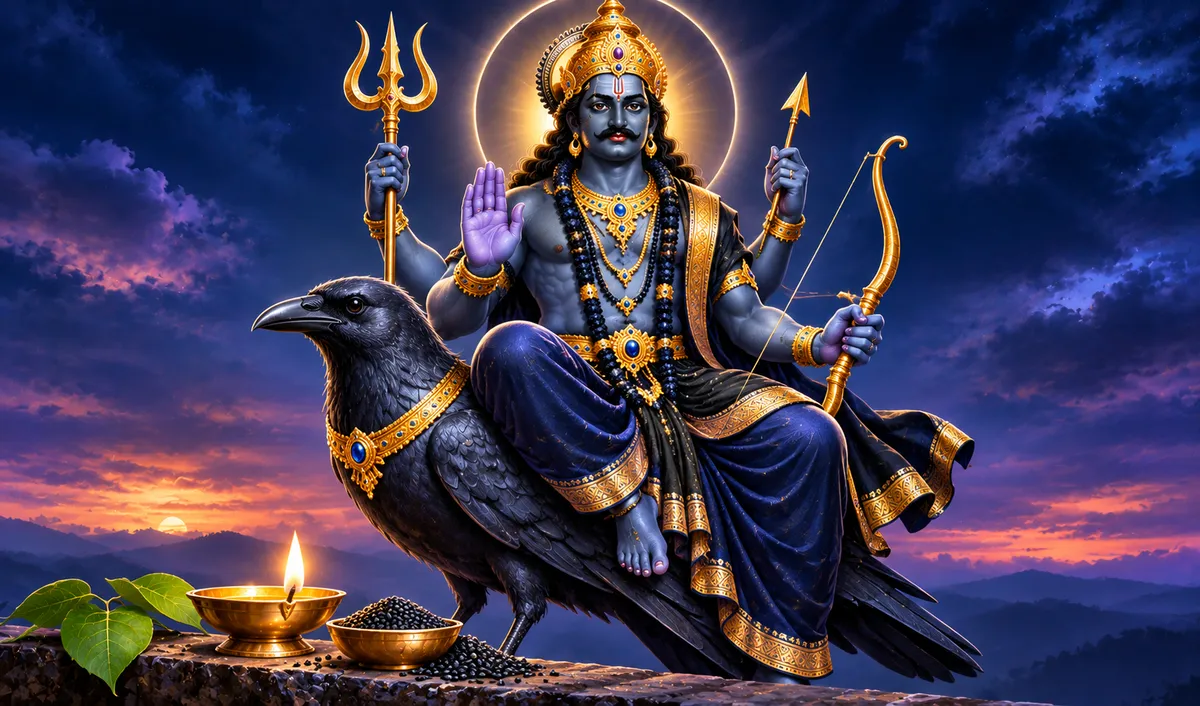
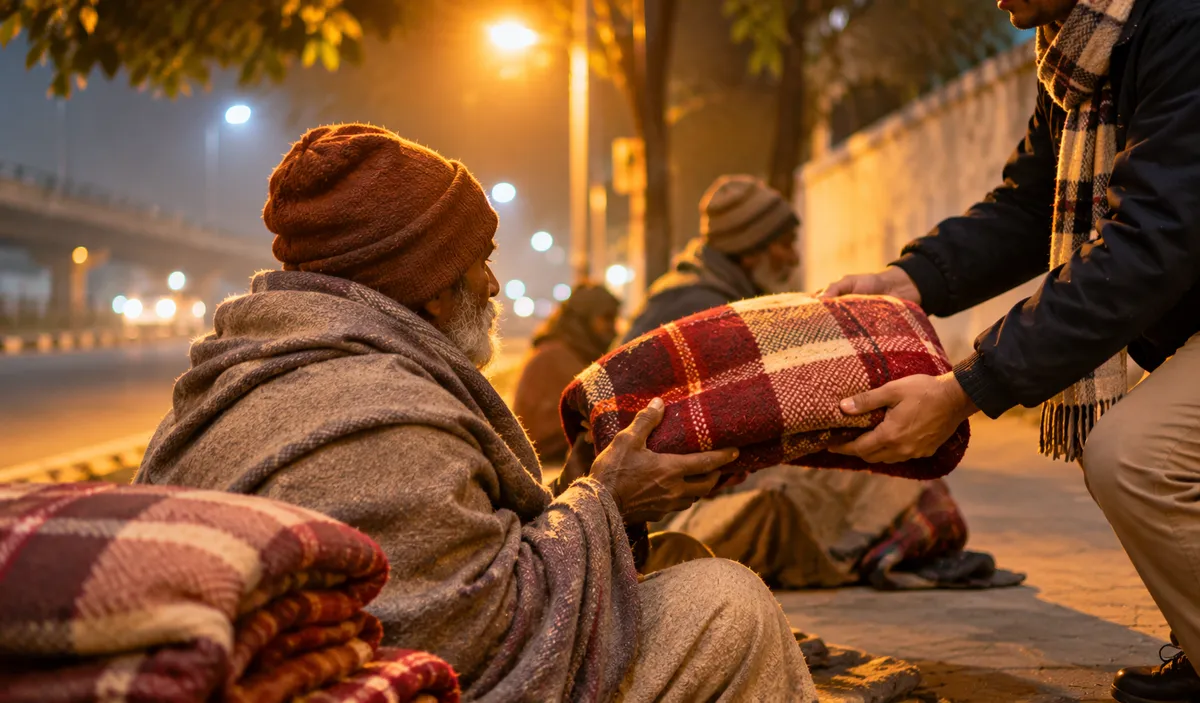
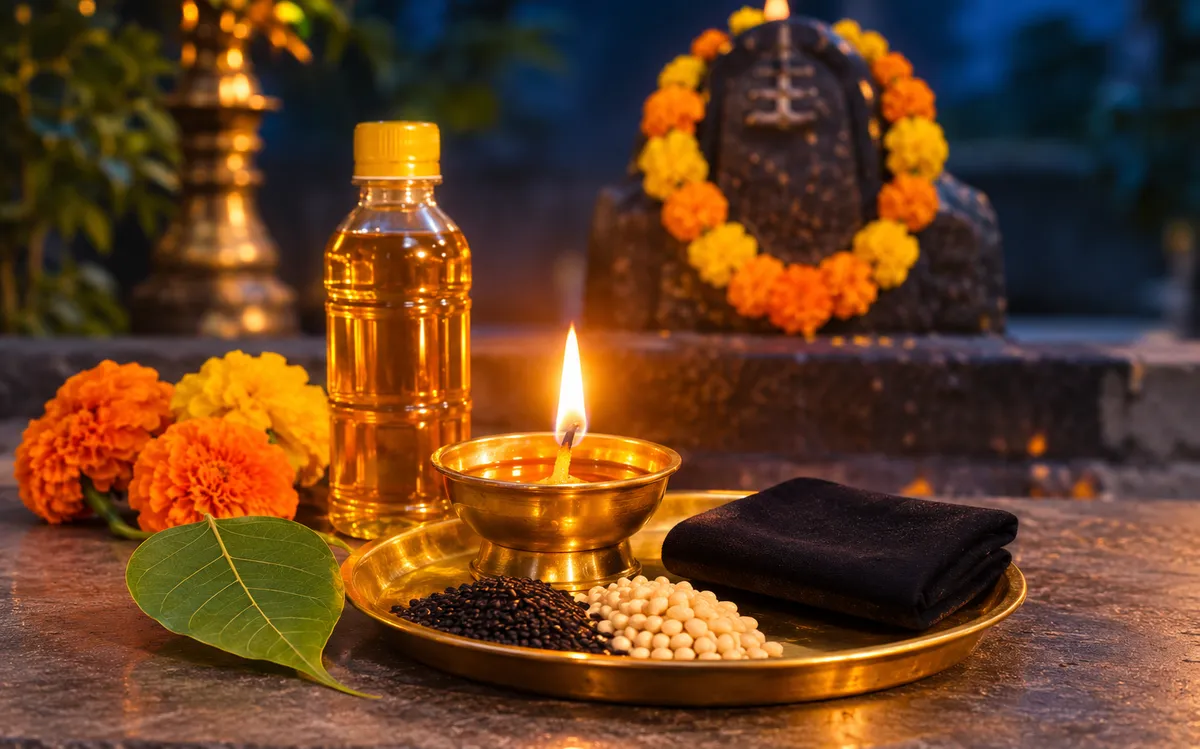
Saturday is Shani Dev's day, and it's the one people ask about the most. Black and dark things lead the list: black til, mustard oil, black urad dal, black chana and dark blankets. Some families also give umbrellas and footwear.
Tradition says Shani values fairness and hard work, and that daan to people who work with their hands is especially kind. A warm blanket in winter is a good example. If you want the full Saturday routine, read our guide on Shani Dev puja vidhi, mantra, samagri and daan.
Shani Dev Seva |
Do All Families Follow the Same List?
No, and that's perfectly fine. India is huge, and customs change as you travel. In some homes, Thursday is also for Sai Baba. In others, Wednesday is for Krishna or Vitthal. Some families give to Hanuman Ji on Saturdays as well as Tuesdays. Friday is sometimes for Santoshi Mata.
Even the items change. A family in Gujarat may give different things from a family in Bengal or Punjab. If your grandmother's list looks different from the one above, trust hers. It's your family's tradition, and that counts for a lot.
Where to Give Weekly Daan
Items are easy to pick. Finding the right person takes a little thought. Here are some places and people to consider:
Temples and gurudwaras that run free kitchens or distribute prasad.
Night shelters and orphanages, which often need food, clothes and blankets.
Old-age homes, where elderly residents may have few visitors.
People near you. A security guard, a sweeper, a vegetable seller or a rickshaw puller may need help more than you think.
Cows and birds. Green fodder and grain are easy to give and genuinely useful.
If you're unsure, ask a local shelter or a trusted charity what they need. That way your daan goes where it's useful, not where it's convenient.
A Simple Weekly Daan Plan
Do you want to start but feel unsure about the effort? Here's an easy way to begin, based on how much time you have.
If you have | Try this |
|---|---|
Almost no time | Pick one day. Give a small packet of the day's item to one person |
A little time | Pick two days, say Thursday and Saturday. Spend ten minutes shopping on the way home |
A free weekend | Buy items for the whole week, pack small bags and hand them out through the week |
No time at all | Take part in seva from the Mobile Mandir app and let someone on the ground do the giving |
Making the Habit Stick
Most good intentions fade after two weeks. A few small tricks help:
Keep a daan box. A small box at home where you put dal, rice or packets through the week. When the day comes, it's already there.
Set a phone reminder. Pick one day and one time. Keep it simple.
Involve the family. Let kids pick the item and hand it over. They enjoy it more than you'd guess.
Start tiny. One small packet a week beats a big plan you drop in a month.
Don't punish yourself. If you miss a week, pick it up the next one. Nobody's keeping score.
How to Give Daan the Right Way
Knowing what to give is half of it. How you give matters too. These simple points come up in almost every tradition:
Give within your means. Daan isn't a competition. A handful of dal given sincerely counts.
Give to someone who needs it. The tradition calls such a person a supatra. Look for people who truly lack food, clothing or warmth.
Give good things. Clean, fresh and usable items only. Don't give what you wouldn't use yourself.
Give quietly. Many traditions say daan loses its meaning if it's done for praise or photos.
Give with respect. Hand it over politely. Don't throw it, and don't make anyone feel small.
Give in the morning if you can. Many families like to give after a bath and a short prayer.
Cash or Items?
People often ask whether it's better to give money or things. There's no single answer. Items such as food, clothes and blankets go straight to the need, so many people prefer them. Cash can be useful when it goes to a trusted organisation that knows how to use it. If you give cash directly to someone, do it with care, and avoid giving to anyone who pressures you.
What Not to Donate
Some things look like daan but cause more trouble than help. Skip these:
Expired or spoiled food.
Torn, dirty or broken clothes and blankets.
Items that are damaged or unsafe to use.
Anything you're giving only to get rid of it.
A simple test works well. If you'd feel embarrassed to hand it to a friend, don't give it as daan.
Why Colours Keep Showing Up
You may have noticed that each day comes with a colour: red for Sunday and Tuesday, white for Monday and Friday, green for Wednesday, yellow for Thursday and black for Saturday. In tradition, each colour belongs to the planet or deity of that day. Some families wear the colour, some offer it in cloth and some simply keep it in mind while giving.
You don't have to match every colour. If you can't find yellow cloth on a Thursday, give yellow dal or a banana instead. The thought behind it is what travels.
Common Doubts About Weekly Daan
What people sometimes think | What helps in practice |
|---|---|
You must follow the exact list or the daan is wasted. | Lists differ across families and regions. Sincerity and usefulness matter most. |
Daan only counts if it's expensive. | A small gift given with care counts. Size isn't the point. |
You can only give on the matching day. | You can give any day. The weekday custom is a tradition, not a restriction. |
One daan will fix a problem. | No one can promise that. Daan is a good habit, not a guaranteed remedy. |
It has to be done alone. | Families can give together. Kids learn a lot from watching. |
Can't Give Items Yourself? Take Part in Seva
Not everyone has the time to shop, pack and hand things out each week. If that's you, you can still take part. Visit the Seva section on Mobile Mandir and see how you can contribute from home.
Start With One Day
You don't need to do all seven days from next Monday. Pick one day that feels right and start there. Maybe Thursday, maybe Saturday. Keep it small. A little dal, a banana, a warm blanket. Do it for a month and see how it feels. Habits that start small tend to last. Take care, and keep giving, from all of us at Mobile Mandir.
Frequently asked questions
Quick answers to the questions people ask most about weekly daan.
According to tradition, Sunday is for Surya Dev, Monday for Shiv Ji, Tuesday for Hanuman Ji, Wednesday for Ganesh Ji, Thursday for Vishnu, Friday for Lakshmi Mata and Saturday for Shani Dev. Customs differ from family to family.
Many people give black til, mustard oil, black urad dal, black chana and blankets. In winter, a warm blanket is considered a very good choice.
People usually give masoor dal, jaggery, laddoos or boondi, and red cloth. Many also share prasad at a Hanuman temple.
Milk, rice, sugar, curd and white cloth are the usual items. Many people fast on Mondays and give milk or rice afterwards.
On Thursday, for Vishnu, people give chana dal, bananas, turmeric and yellow cloth. On Friday, for Lakshmi Mata, they give rice, sugar, curd, white sweets and white cloth.
No. You can give on any day. The weekday pattern is a tradition, not a restriction.
No one can guarantee that. This is based on manyata and parampara (belief and tradition). What you can count on is that someone gets food, warmth or help, and you build a habit of giving.
Give to people who truly need it, such as night shelters, orphanages, old-age homes or people who work near you. Give only clean, usable items. Avoid expired food and torn or dirty clothes.
You can take part in seva from home through the Seva section on Mobile Mandir.