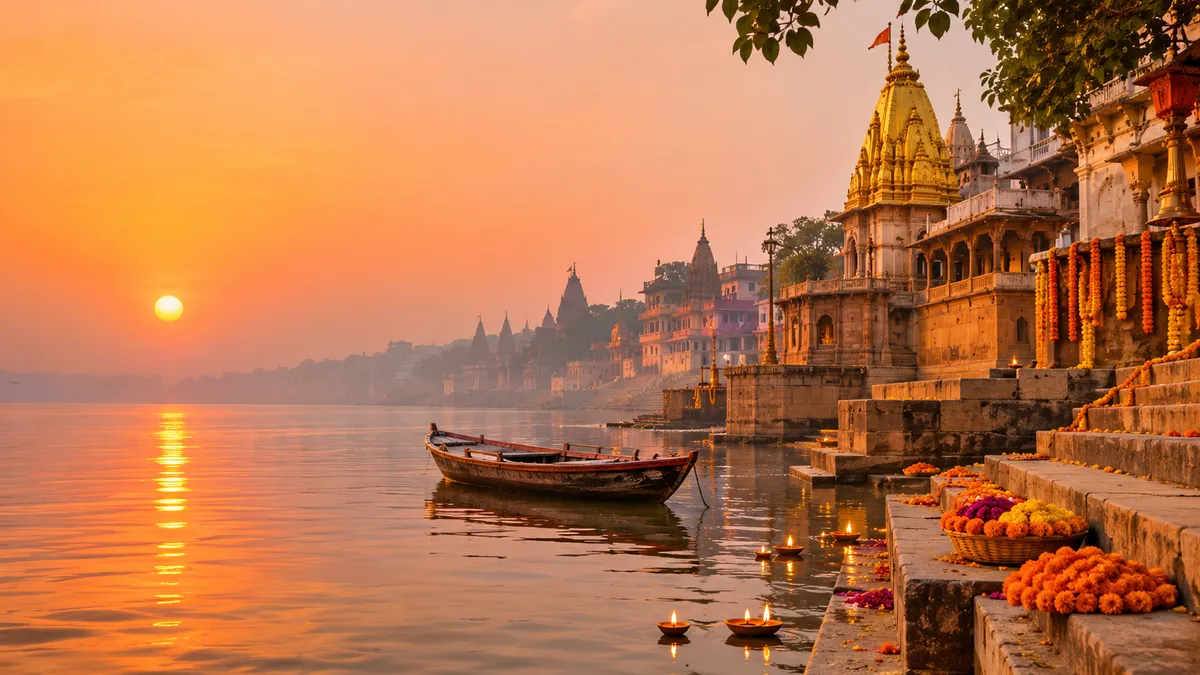
It's about 3 AM in Vishwanath Gali and nobody has told the lane it's night. Bells are going. A flower seller sorts marigolds under a bulb. A man walks past with a steel lota of Ganga jal, humming a Shiv bhajan he probably doesn't know he's humming. Kashi never really switches off, and its temples keep the same hours. Here are ten that people search for the most: what each is known for, when it opens, and the small things that save you time in the queue.
Ten names come up again and again for the famous temples in Varanasi: Kashi Vishwanath, Kaal Bhairav, Annapurna Devi, Sankat Mochan Hanuman, Durga Kund, Vishalakshi, Tulsi Manas, New Vishwanath (BHU), the Nepali Temple and Ratneshwar Mahadev. Two or three days is enough to see them without rushing. Start with Kashi Vishwanath early in the morning, then walk to Kaal Bhairav. Many pilgrims feel the yatra isn't complete without both.
Famous Temples in Varanasi at a Glance
All ten in one table. Each one gets its own section after this.
Temple | Deity | Known for |
|---|---|---|
Shri Kashi Vishwanath Temple | Lord Shiva | One of the twelve Jyotirlingas |
Shri Kaal Bhairav Temple | Kaal Bhairav | Kotwal, or guardian, of Kashi |
Maa Annapurna Temple | Goddess Annapurna | Goddess of food, right beside Kashi Vishwanath |
Sankat Mochan Hanuman Temple | Lord Hanuman | Relief from troubles, busiest on Tuesdays and Saturdays |
Durga Kund Temple | Goddess Durga | A red temple beside a sacred kund |
Vishalakshi Mata Shaktipeeth | Goddess Vishalakshi | A Shakti Peeth near Meer Ghat |
Tulsi Manas Temple | Lord Ram and Sita | White marble, with the Ramcharitmanas on its walls |
New Vishwanath Temple (Birla Mandir) | Lord Shiva | A marble temple inside BHU, open to everyone |
Nepali Temple (Kathwala) | Lord Shiva | A wooden pagoda at Lalita Ghat |
Ratneshwar Mahadev Temple | Lord Shiva | The leaning temple by the Ganga |
Check timings before you go
Timings in Varanasi shift with the season, festivals and special days. The ones below follow Google Maps listings from November 2026. Call the temple or ask locally before you plan your day.
Before You Start
Varanasi has hundreds of temples. Some are huge, some are a single shivling in a lane, and locals will tell you that five minutes of walking never passes without one. This list sticks to the ten pilgrims search for most. Further down, there's a route that fits them into three days without wearing you out.
1. Shri Kashi Vishwanath Temple
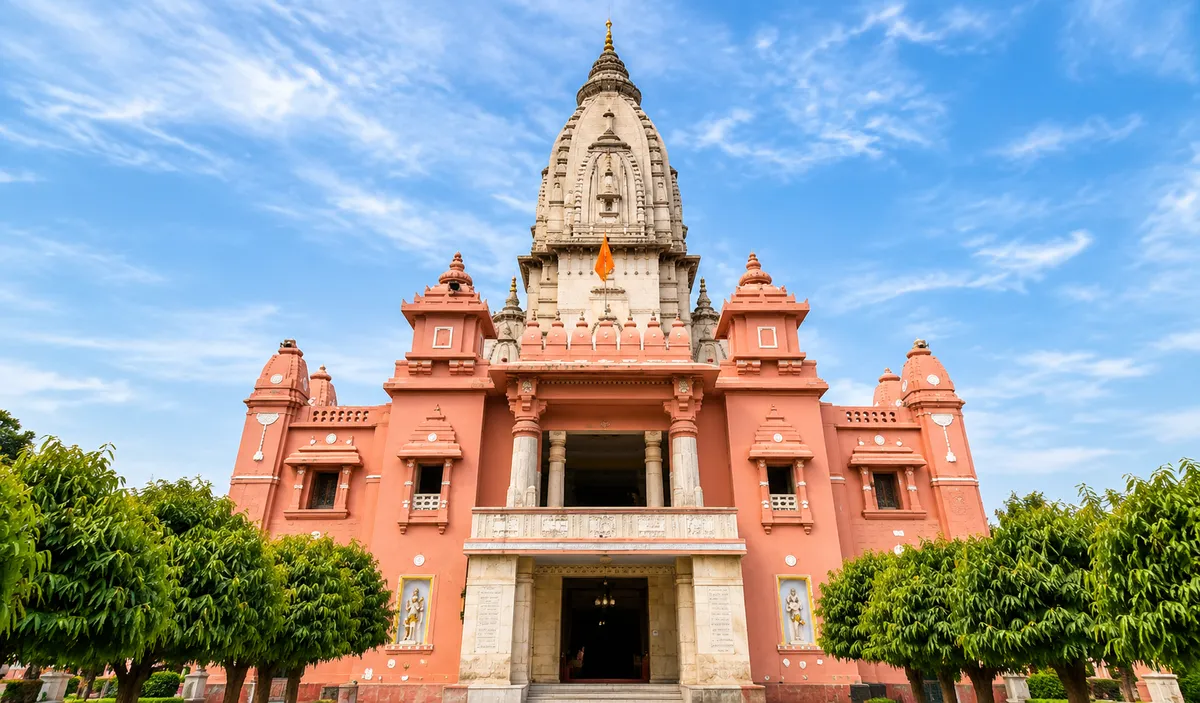
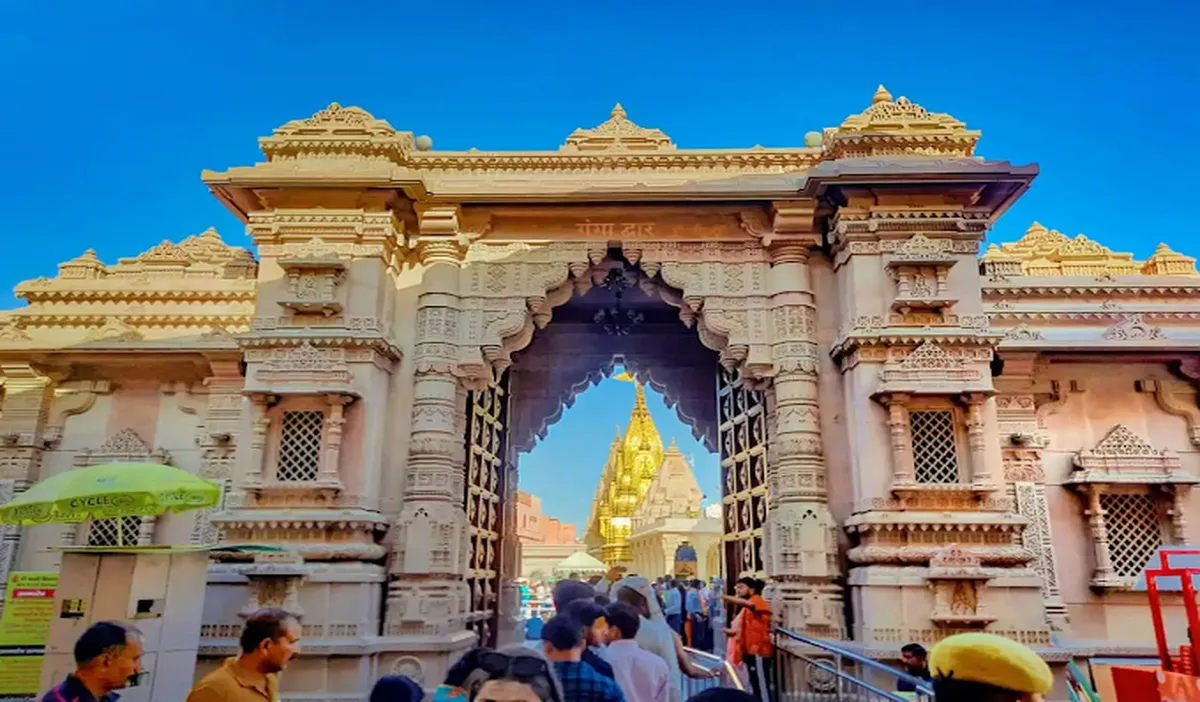
Kashi Vishwanath holds one of the twelve Jyotirlingas of Lord Shiva. The deity's name, Vishweshwara, means Lord of the Universe. Most people arrive with Ganga jal collected at the ghats, to pour over the shivling.
The temple you see now was built in 1780 by Maharani Ahilyabai Holkar of Indore. Gold was added to the spires later, which is why it's called the Golden Temple. The Kashi Vishwanath Corridor opened in December 2021 and gave the temple a wide path from the ghats. People who visited before say the old lane was so tight that you simply went wherever the crowd went.
Google Maps lists the temple as open from 3 AM to 11 PM. Mangala Aarti runs from 3 to 4 AM and needs a ticket. General darshan is free and, by the temple trust's schedule, starts around 4 AM. There's usually a queue even in the small hours, so don't count on an empty lane.
Carry less than you think. Phones, bags and cameras usually can't go inside, and there are a few security checks on the way. Lockers are available nearby.
Quick facts | Details |
|---|---|
Deity | Lord Shiva (Vishwanath) |
Where it is | Vishwanath Gali, central Varanasi |
Timings (Google Maps) | 3 AM to 11 PM daily |
Best time | Early morning, after Mangala Aarti and before the crowd builds |
Booking tip
General darshan costs nothing. Sugam Darshan and Mangala Aarti are ticketed. Book them through the temple trust's official channels, never through someone who walks up to you in the lane.
2. Shri Kaal Bhairav Temple
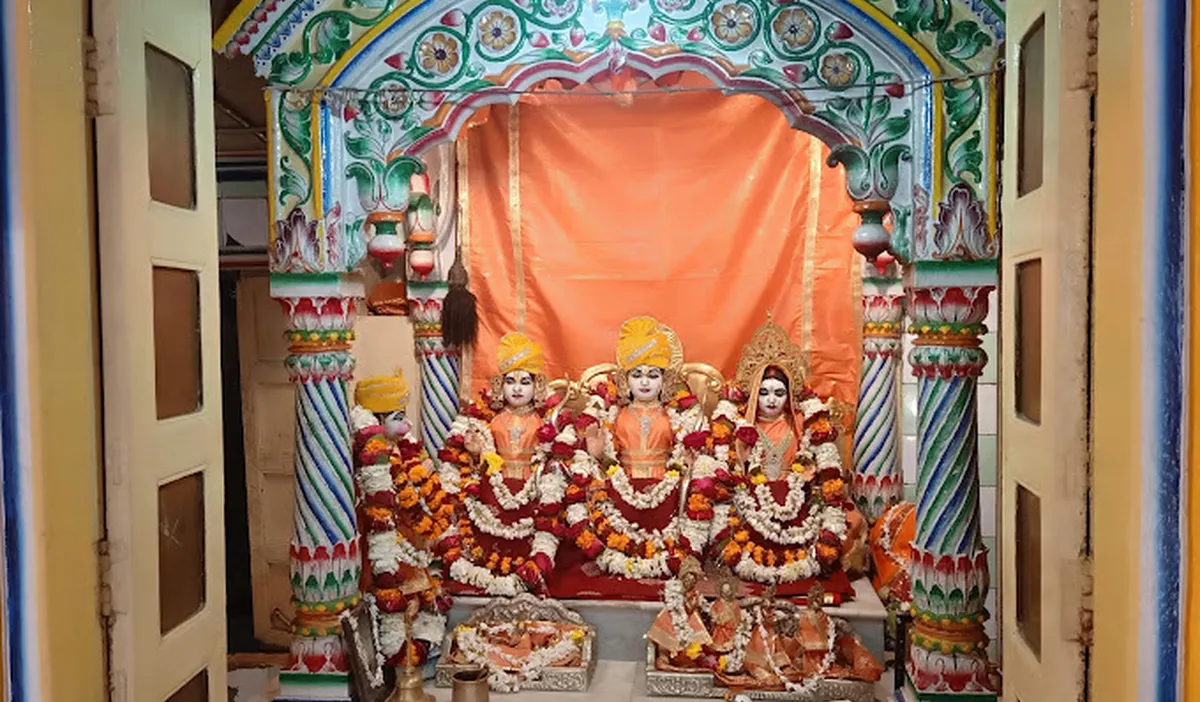
Kaal Bhairav is the Kotwal of Kashi, the city's guardian. Ask a few locals and you'll hear the same advice: take his blessing at the start or the end of your Kashi yatra. Lots of devotees walk here straight after Kashi Vishwanath. It's about a kilometre away, in Vishweshwarganj.
As the legend goes, Shiva created Bhairav to deal with Brahma's pride, and Bhairav stayed on as Kashi's protector. Sources date the present temple differently, mostly to the 17th or 18th century.
The deity looks fierce, with a garland of skulls. Priests tie a black thread on devotees' wrists, and many keep it on for protection. Mustard oil, flowers and sweets are the usual offerings.
One caution. A few visitors have complained about staff asking for money to sit inside during aarti. If that happens, ask whether it's official and whether you'll get a receipt. If not, watch the aarti from outside.
Quick facts | Details |
|---|---|
Deity | Kaal Bhairav, a fierce form of Shiva |
Where it is | Vishweshwarganj, about 1 km from Kashi Vishwanath |
Timings (Google Maps) | 5 AM to 1 PM, then 4:30 PM to 9:30 PM |
Busiest days | Tuesday and Sunday |
3. Maa Annapurna Temple
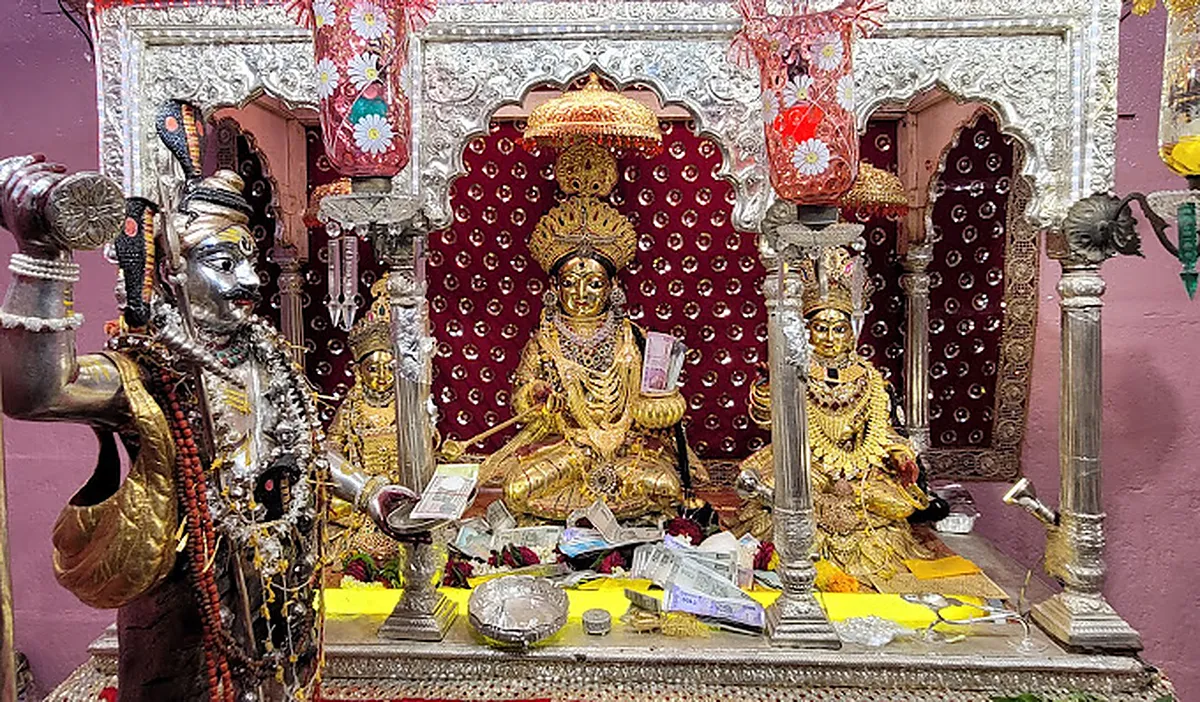
Annapurna is the goddess of food, and her temple sits almost next door to Kashi Vishwanath. The story people tell is a lovely one. Shiva once held out a bowl and asked Annapurna for alms. The idea is that nobody in Kashi should ever go hungry, and the temple still serves free meals to visitors.
Peshwa Baji Rao I built the present temple around 1729. It has two idols of the goddess. The brass one can be seen every day. The golden one is shown for only a few days around Dhanteras and Annakut, the day after Diwali. If that's the one you want, plan the trip around those dates.
Families often stop here before a wedding or a housewarming, hoping the kitchen at home stays full.
Quick facts | Details |
|---|---|
Deity | Goddess Annapurna |
Where it is | Vishwanath Gali, next to Kashi Vishwanath |
Timings (Google Maps) | 4 AM to 11 PM |
Best time | Annakut, for the golden idol |
4. Sankat Mochan Hanuman Temple
Sankat Mochan means the one who removes troubles, and Varanasi has a soft spot for this temple. Tradition says Goswami Tulsidas built it in the 16th century, at the spot where he had a vision of Hanuman.
It feels different from the old-city temples. The courtyard is calmer, there are trees, and monkeys wander through as if they own the place. Hanuman's idol faces the shrine of Lord Ram, and people love to point that out. Laddoos are the favourite offering, along with sindoor and marigolds.
Phones aren't allowed inside. Shops outside offer lockers if you buy your puja items from them. Many devotees sit in the corridors reciting the Hanuman Chalisa, and nobody minds if you join in.
Tuesday and Saturday are the big days, so expect a long line and extra evening aartis. Every spring, around Hanuman Jayanti, the temple also hosts a well-known classical music festival.
Quick facts | Details |
|---|---|
Deity | Lord Hanuman |
Where it is | Sankat Mochan Road, near BHU and Assi |
Timings (Google Maps) | 4:30 AM to 12 PM, then 3 PM to 10 PM |
Busiest days | Tuesday and Saturday evenings |
5. Durga Kund Temple
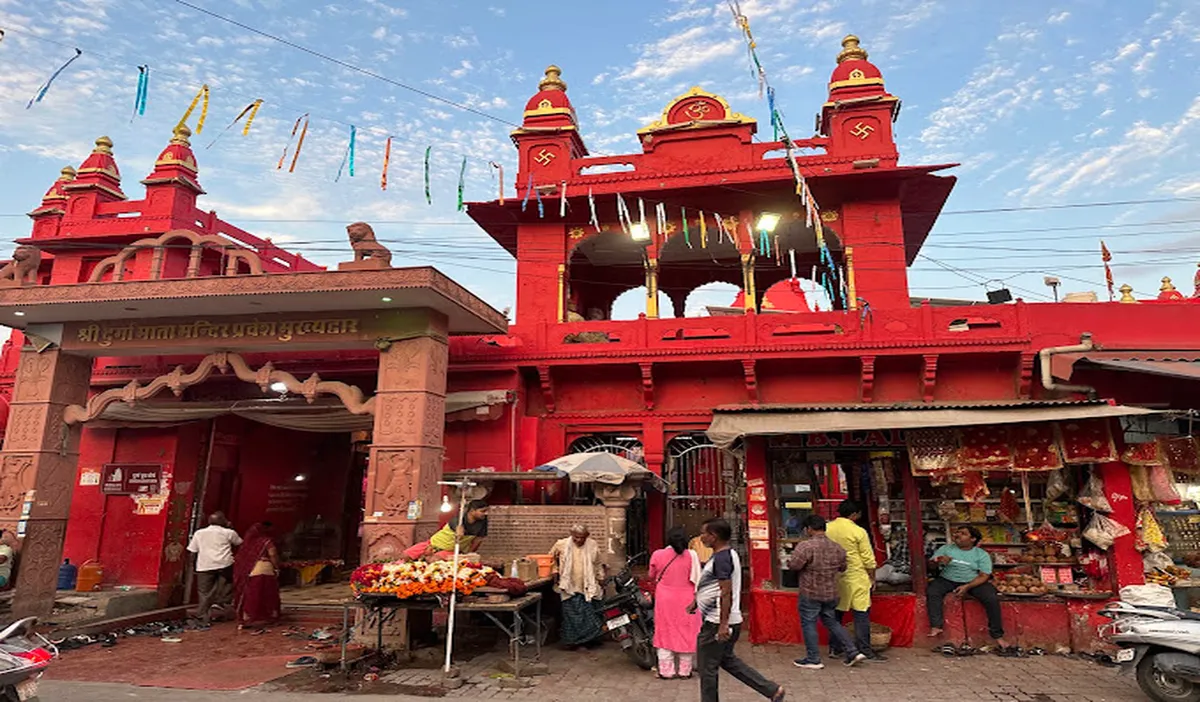
You can't miss Durga Kund. It's deep red, and it stands beside a rectangular tank, the kund that gave the place its name. Plenty of people call it the Monkey Temple, because of the monkeys in the courtyard.
Rani Bhabani of Natore, a queen from Bengal, is credited with building it in the 18th century. The story goes that the goddess appeared here on her own. The complex is bigger than it looks from the road. Visitors talk most about the evening aarti.
Navratri brings huge crowds, and so does every Tuesday. Go early if you want a quiet darshan.
Quick facts | Details |
|---|---|
Deity | Goddess Durga |
Where it is | Durgakund, south Varanasi, close to Tulsi Manas |
Timings (Google Maps) | 5 AM to 12 PM, then 4 PM to 9 PM |
Best time | Evening aarti, or a weekday morning |
6. Shri Vishalakshi Mata Shaktipeeth Temple
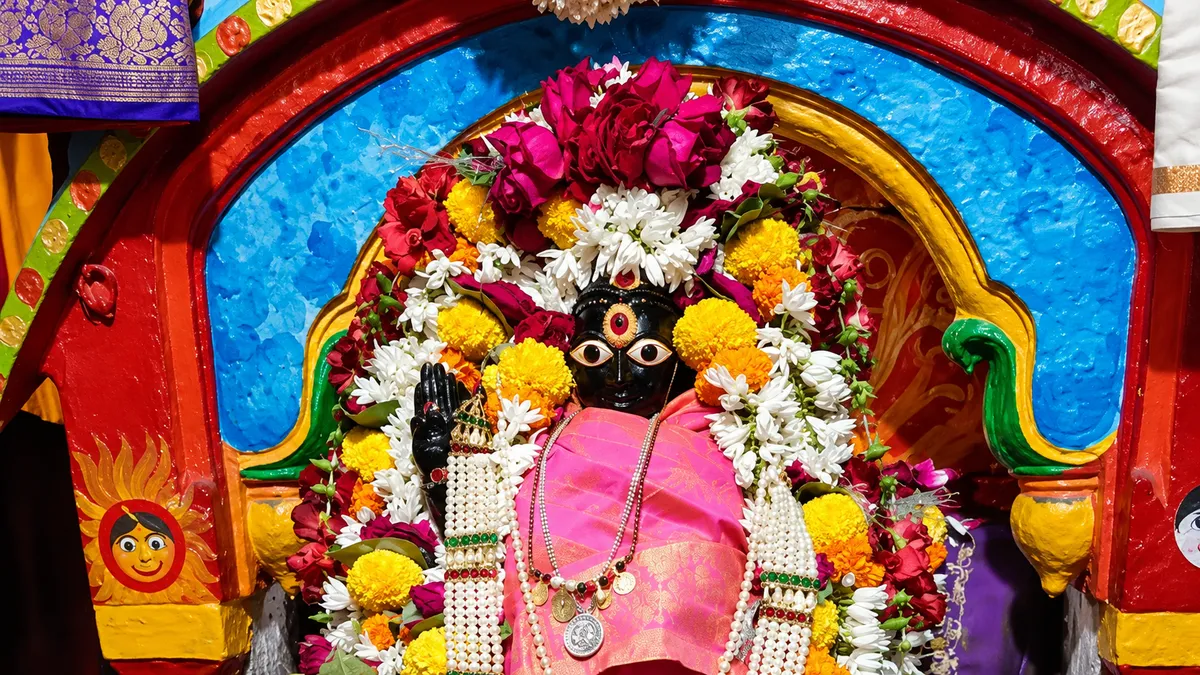
This Shakti Peeth is near Meer Ghat, a short walk from Kashi Vishwanath. Shakti Peeths belong to the story of Goddess Sati, whose body parts are believed to have fallen at different places across the land.
Which part fell here depends on who's telling it. Some say her earring, which fits with the nearby Manikarnika. Others say her eye, because Vishalakshi means wide-eyed. Both versions are told in Kashi.
The shrine is small and easy to miss in the lane. Plenty of people walk straight past it. Don't.
Quick facts | Details |
|---|---|
Deity | Goddess Vishalakshi (Sati) |
Where it is | Meer Ghat area, near Manikarnika |
Timings (Google Maps) | 6 AM to 10 PM (9:45 PM on Tuesday and Saturday) |
Best time | Early morning, or Navratri |
7. Tulsi Manas Temple
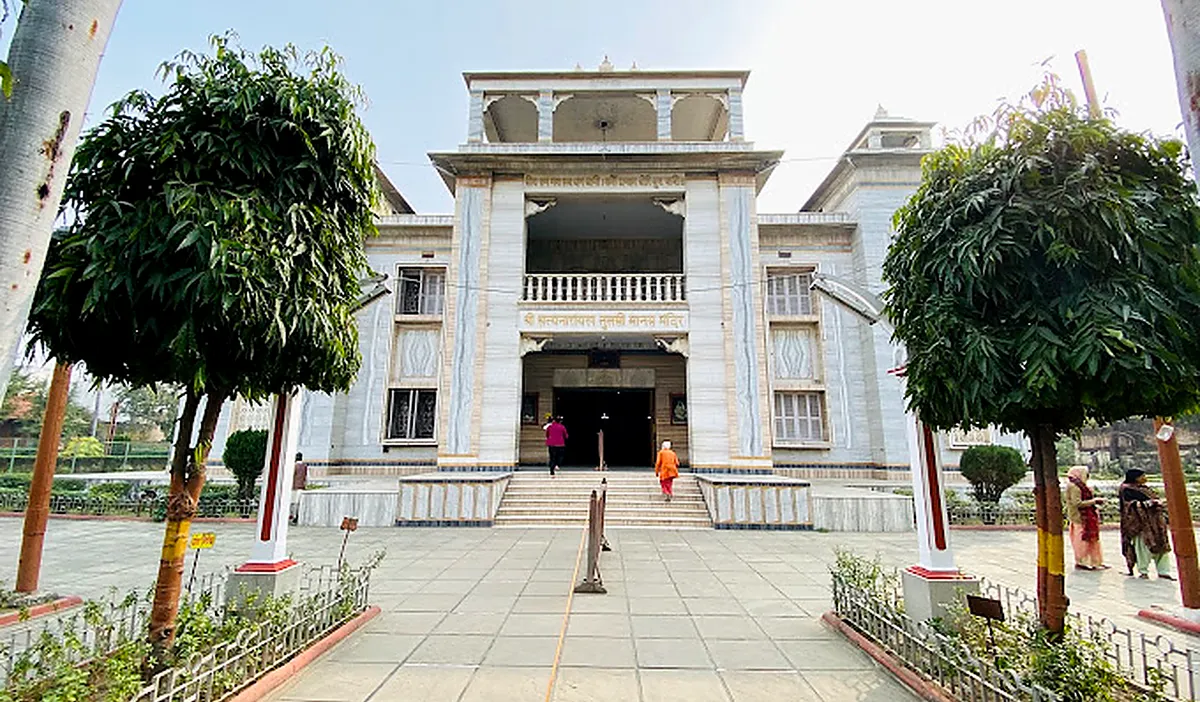
Built in 1964, the white marble Shri Satyanarayan Tulsi Manas Temple stands where Goswami Tulsidas is believed to have composed the Ramcharitmanas. The Birla family built it, and the best part is on the walls: the whole Ramcharitmanas is engraved in marble across two floors. You can read your way around the temple.
There's a statue of Tulsidas, a garden, and calmer air than in the old-city shrines. During Shravan, moving jhankis tell scenes from the Ramayana. Durga Kund is right next door, so do both in one trip.
Quick facts | Details |
|---|---|
Deity | Lord Ram and Sita |
Where it is | Durgakund Road, next to the Durga Temple |
Timings (Google Maps) | 5:30 AM to 12 PM, then 3:30 PM to 9 PM |
Best time | Winter, or Shravan for the jhankis |
8. New Vishwanath Temple (Birla Mandir), BHU
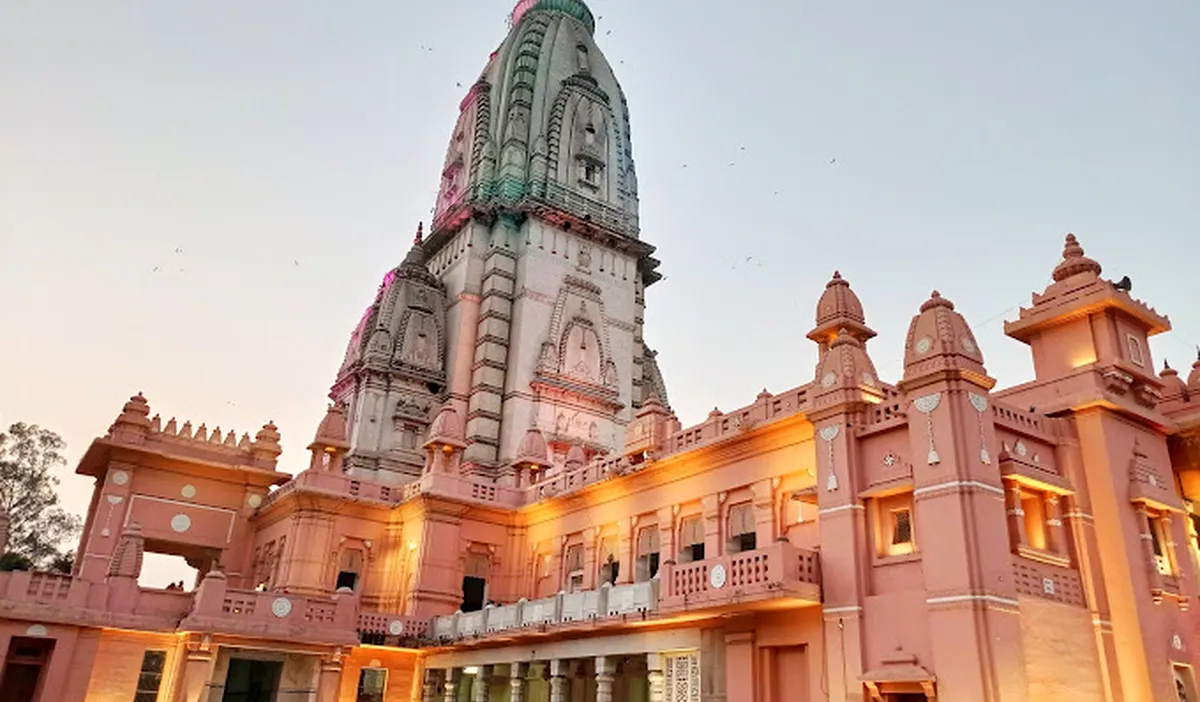
This temple is inside the Banaras Hindu University campus. Pandit Madan Mohan Malaviya had the idea and the Birla family paid for it. Work began in 1931 and finished in 1966. It's built of marble, and the tall spire is modelled on the Kashi Vishwanath temple.
People of every religion and background can walk in, which is a big reason visitors like it. Many say you can get close to the shivling here and the line moves fast. Men and women queue separately at the start. One visitor mentions a room with an echo, where chanting Om sounds wonderful.
It's far calmer than the old city, and the campus is green. Go in the evening.
Quick facts | Details |
|---|---|
Deity | Lord Shiva |
Where it is | Inside BHU campus, Lanka area |
Timings (Google Maps) | 4 AM to 12 PM, then 1 PM to 9 PM |
Best time | Evening, or October to February |
9. Nepali Temple (Kathwala Mandir)
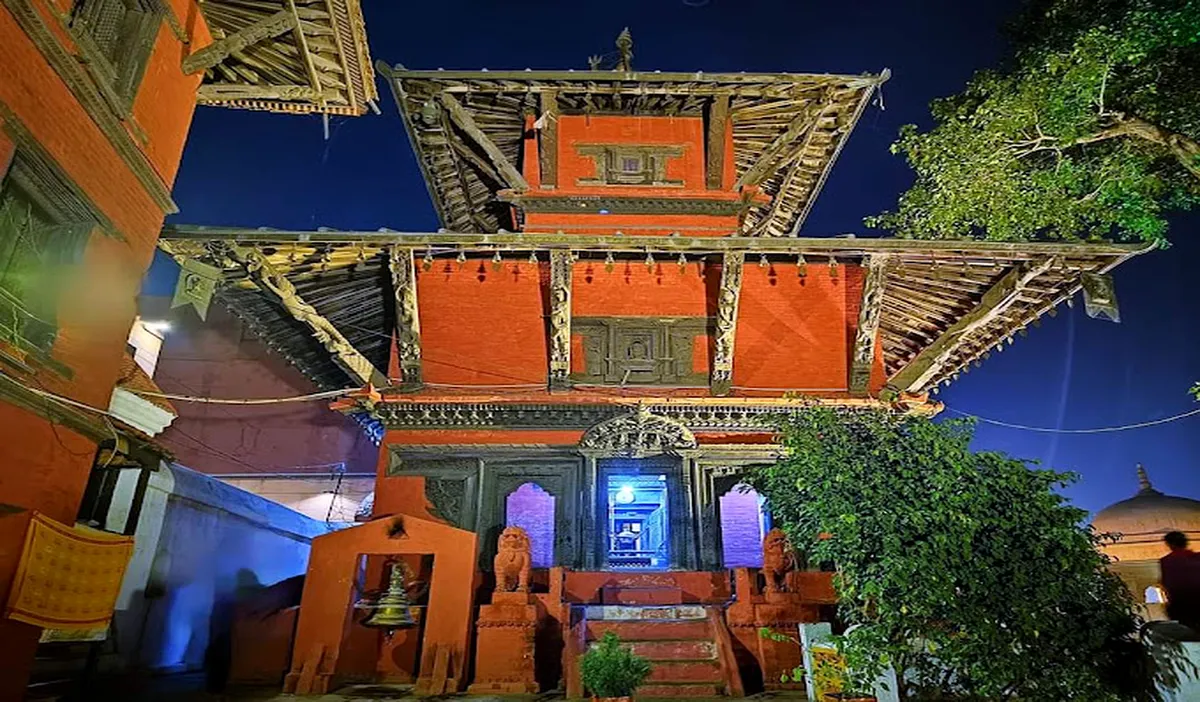
The Nepali Temple, also called Kathwala Mandir, stands at Lalita Ghat. It looks like nothing else in Varanasi: a wooden pagoda with detailed carvings, inspired by Pashupatinath in Kathmandu. Its formal name is Samrajeshwar Pashupatinath Mahadev Mandir.
Nepal's King Rana Bahadur Shah began it while living in exile in Kashi, around 1800 to 1804, and his son completed it later. The Lalita Gauri temple is close by, so you can see both on a short walk. It stays quiet here even when the main lanes are packed.
Quick facts | Details |
|---|---|
Deity | Lord Shiva (Pashupatinath) |
Where it is | Lalita Ghat, along the Ganga |
Timings (Google Maps) | Listed as open 24 hours |
Best time | Early morning light, for photos |
10. Ratneshwar Mahadev Temple
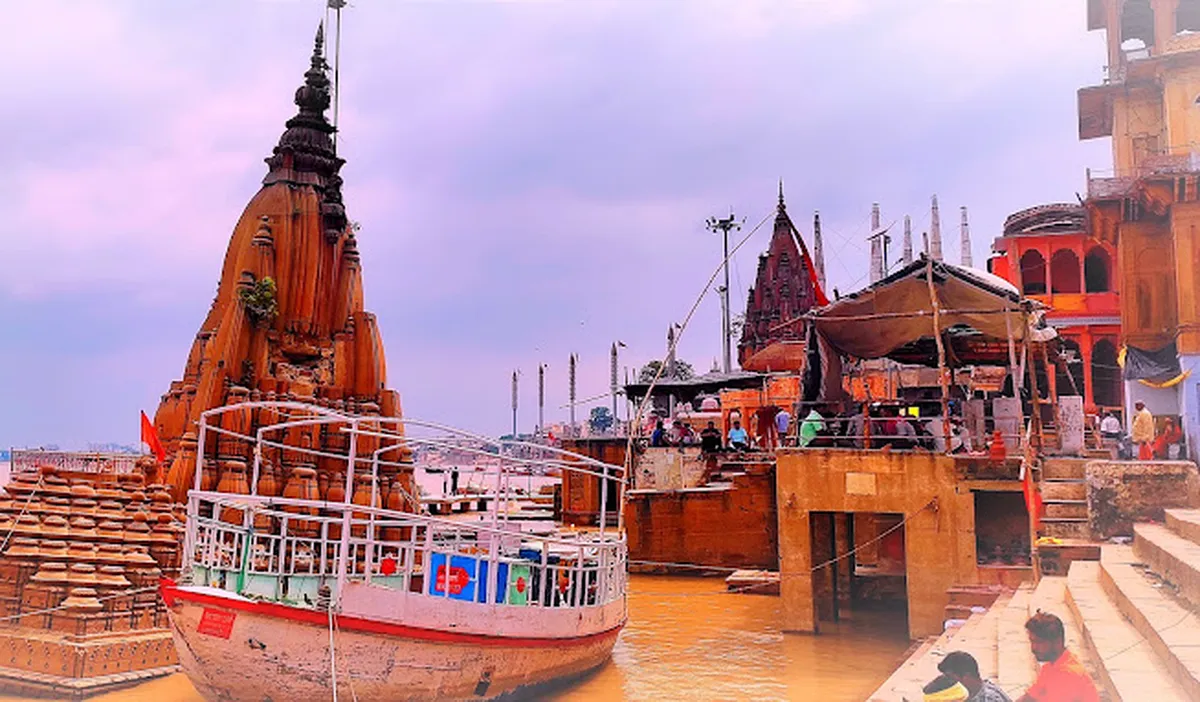
Photographers love this one. Ratneshwar Mahadev stands at Manikarnika Ghat, and it leans. The tilt is often put at about 9 degrees, more than the Leaning Tower of Pisa. The river covers the sanctum for much of the year, and in the monsoon the water climbs higher still.
Locals call it Kashi Karvat. The stories about why it leans change from guide to guide, so take them as folklore. One tale involves a debt to a mother, which is why some call it Matri Rin Mahadev.
There's no ticket. You'll mostly see it from the ghat or from a boat, and a sunrise boat ride is the best way. Some visitors say it looks even better at night.
Quick facts | Details |
|---|---|
Deity | Lord Shiva |
Where it is | Manikarnika Ghat |
Timings (Google Maps) | Listed as open 24 hours; entry depends on the water level |
Best time | Sunrise boat ride, or evening |
A 3-Day Route
The lanes are narrow and the traffic crawls, so grouping temples by area saves hours.
Day | Area | Temples |
|---|---|---|
Day 1 | Old city | Kaal Bhairav, Kashi Vishwanath, Annapurna, Vishalakshi |
Day 2 | Assi and BHU side | Sankat Mochan, Durga Kund, Tulsi Manas, New Vishwanath (BHU) |
Day 3 | Ghats | Lalita Ghat for the Nepali Temple, then a boat past Ratneshwar Mahadev |
Only one day? Do Kashi Vishwanath, Annapurna and Kaal Bhairav in the morning. Add Sankat Mochan in the evening, then finish at a ghat for the Ganga aarti.
What to Wear and How to Behave
Wear what you can walk in
You'll walk a lot, take your shoes off often and stand in queues. Comfortable, modest clothes work best. Traditional wear is welcome but not required. A light shawl helps on cold mornings near the river.
A few simple things go a long way:
Shoes come off at the entrance. Wear socks you don't mind getting dusty, or go barefoot like everyone else.
Carry small notes for prasad and donation boxes.
Leave leather belts and wallets, alcohol and non-veg food out of temple areas.
Use the lockers where they ask you to. It saves a lot of stress at the gate.
Take photos only where allowed. Staff will tell you if not.
Pay only at official counters. If someone offers a "quick darshan" for cash, say no politely.
Keep your wallet close in crowded lanes.
Entry rules for the inner sanctum aren't the same everywhere. A few shrines keep it for Hindus, while the New Vishwanath Temple welcomes everyone. If you're unsure, ask at the gate.
Best Time to Visit
October to March is the comfortable season. The air is cool and a full day of walking doesn't wear you out. Summers are harsh, so keep to early mornings and evenings. Shravan, Mahashivratri, Navratri and Dev Diwali bring huge crowds and a special energy too. Decide what you want: a calm darshan or the festival buzz. For the calm one, go early on a weekday.
Can't Travel Right Now?
Not everyone can make it to Kashi, and that's okay. You can still feel close. Browse the temple listings on Mobile Mandir, read or sing the aarti at home, and count your prayers with the Naam Jaap counter. You can also take part in a seva from wherever you are.
Curious about other deities? Our deities page is a good next stop.
One Last Thing
Don't try to tick off all ten in one sprint. Kashi doesn't reward rushing. Pick the temples that mean the most to you, leave gaps in your day, and sit for a few minutes wherever it feels right. Har Har Mahadev, from all of us at Mobile Mandir.
Frequently asked questions
These are the questions people ask most about the famous temples in Varanasi, from Kashi Vishwanath timings and darshan tickets to Kaal Bhairav, how many days to plan and what to wear.
Most head to Shri Kashi Vishwanath Temple. It holds a Jyotirlinga of Lord Shiva and sits at the centre of the Kashi yatra.
Google Maps lists the temple as open from 3 AM to 11 PM. Mangala Aarti runs from 3 to 4 AM, and general darshan starts around 4 AM. Timings can change during festivals, so confirm before you go.
General darshan is free. Sugam Darshan and Mangala Aarti are ticketed, and the temple trust handles the booking.
Tradition says Shiva appointed him guardian of the city. That's why many devotees ask for his blessing during their Kashi yatra.
Sankat Mochan Hanuman Temple is the usual choice. Kaal Bhairav and Durga Kund also get busy on Tuesdays.
Three days feels relaxed. With a very early start, you can fit the old-city temples and Sankat Mochan into one long day.
It depends on the temple. A few keep the inner sanctum for Hindus, while the New Vishwanath Temple at BHU is open to everyone. Ask at the gate if you aren't sure.
Modest, comfortable clothes. Traditional dress is welcome but not required. Skip leather items and carry a shawl for early mornings.