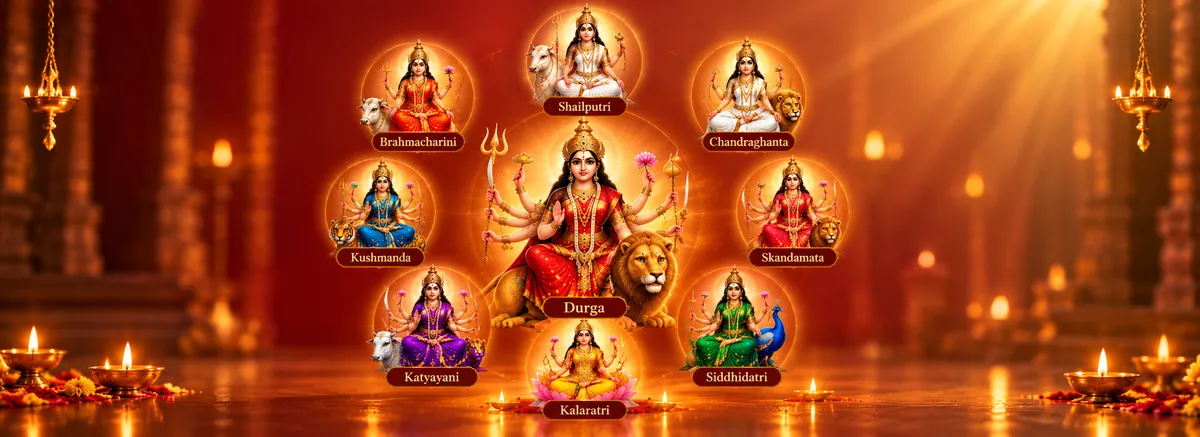
Navratri is called to be one of the most important Hindu festivals in India. It is celebrated in order to worship Goddess Durga and her nine forms, which represents strength, courage, wisdom and kindness. In the course of these nine days, the devotees offer prayers, observe fasts, visit temples and take part in the traditional celebrations enthusiastically.
Navratri 2026 is a time for us to seek the blessings of Goddess Durga and bring positivity into our lives. Some people perform the pooja at their homes, while the others enjoy the Garba, Dandiya and other community celebrations. Many devotees observe fast as an important radiation during this time too.
In this guide, we are going to analyze the Navratri 2026 dates, the nine Goddesses, Navratri Puja Vidhi, fasting rules and the importance of this festival.
In short: Sharad Navratri 2026 runs from Sunday, 11 October to 19 October, with Dussehra on 20 October. Over nine days the nine forms of Goddess Durga, from Shailputri to Siddhidatri, are worshipped. Ghatasthapana is done on Day 1 and Kanya Pujan on Ashtami or Navami. Fasting is about faith and self-discipline, and the daily colour is a popular custom, not a rule. Check your local Panchang for Ashtami (18 or 19 October).
When Is Navratri 2026? (Dates)
This year's Sharad (autumn) Navratri starts on Pratipada of the Shukla Paksha in the month of Ashwin. Ghatasthapana, the installation of the sacred kalash, is done on the first day. After that, nine days are dedicated to the nine forms of Goddess Durga.
Observance | Date |
|---|---|
Ghatasthapana (Day 1) | Sunday, 11 October 2026 |
Durga Ashtami | 18 October 2026* |
Maha Navami | 19 October 2026 |
Vijayadashami (Dussehra) | Tuesday, 20 October 2026 |
*Some Panchangs list Ashtami on 19 October. Please check your local Panchang for the exact tithi and puja timings in your city.
The 9 Goddesses of Navratri: Who Is Worshipped When
Day | Date | Goddess | Name | What She Represents |
|---|---|---|---|---|
1 | 11 October | 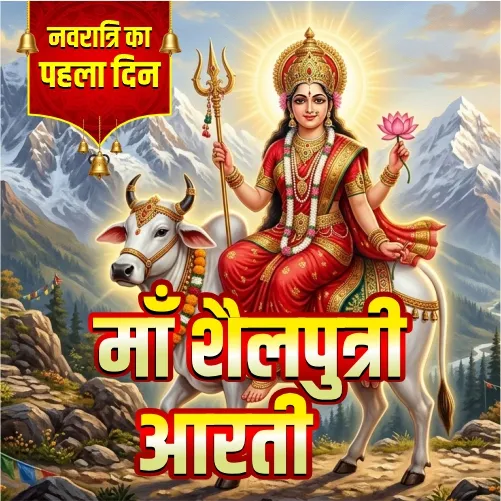 | Firmness and Stability | |
2 | 12 October | 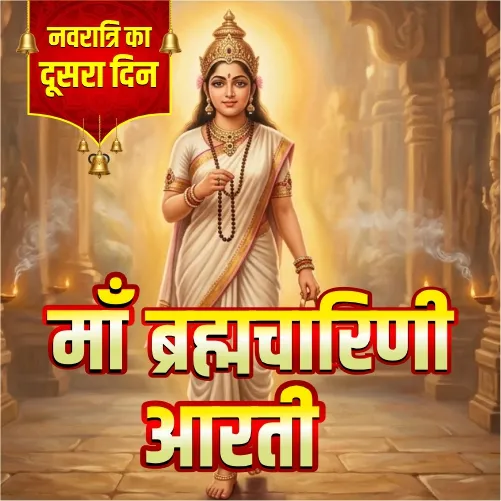 | Penance and Self-Restraint | |
3 | 13 October | 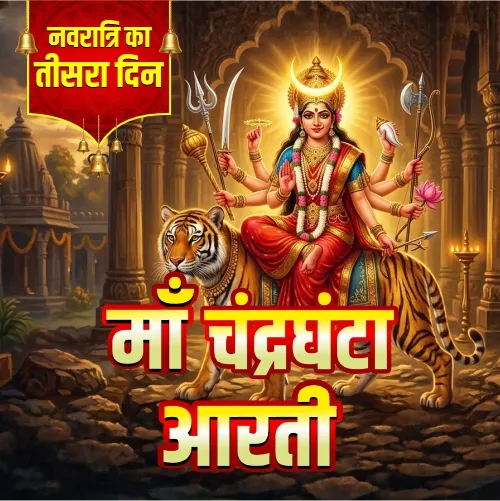 | Courage and Protection | |
4 | 14 October | 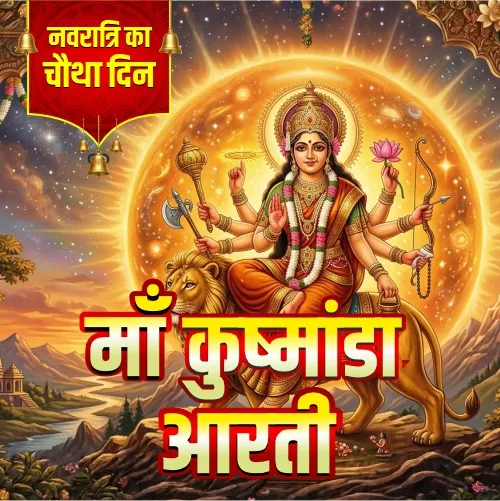 | Creation and Energy | |
5 | 15 October | 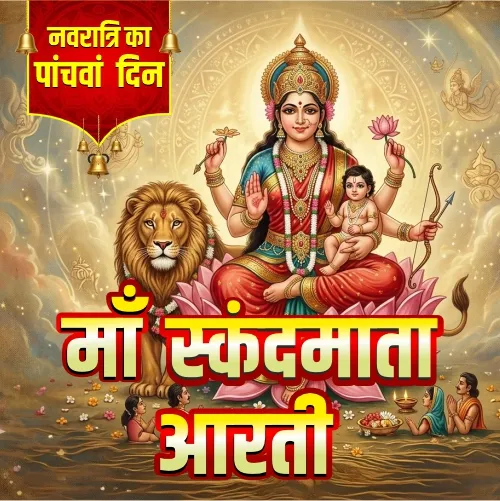 | Motherly Love and Compassion | |
6 | 16 October | 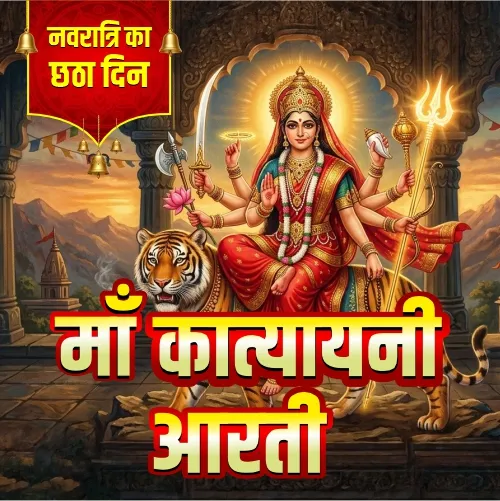 | Power and Protection of Dharma | |
7 | 17 October | 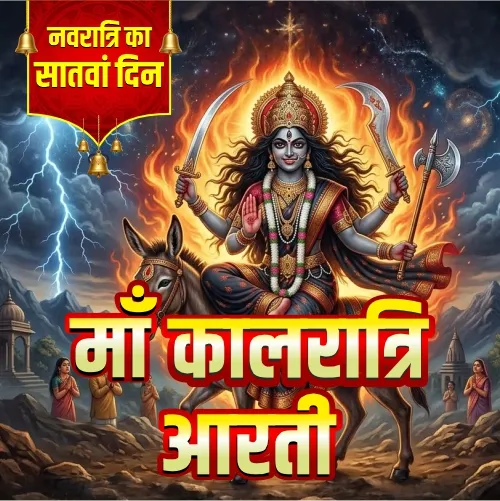 | Fearlessness | |
8 | 18 October | 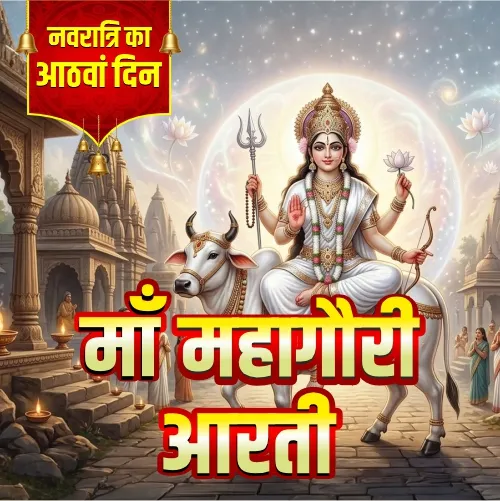 | Purity and Peace | |
9 | 19 October | 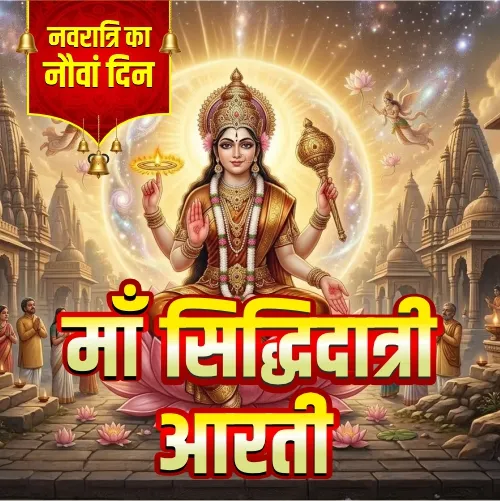 | Spiritual Powers and Wisdom |
Navratri 2026 Colours: What to Wear on Each Day
Wearing a different colour each day is one of Navratri's most loved traditions. The sequence depends on the weekday the festival begins, and since Navratri 2026 starts on a Sunday, the first colour is orange.
Day | Date | Colour | Meaning | What to Wear |
|---|---|---|---|---|
1 | 11 Oct, Sunday | Orange | Energy and enthusiasm | Orange suit, saree or dupatta |
2 | 12 Oct, Monday | White | Peace and purity | White kurta set or a simple saree |
3 | 13 Oct, Tuesday | Red | Strength and courage | Red saree, chunri or lehenga |
4 | 14 Oct, Wednesday | Royal Blue | Calmness and dignity | Deep blue suit or dupatta |
5 | 15 Oct, Thursday | Yellow | Happiness and positivity | Yellow kurta, saree or suit |
6 | 16 Oct, Friday | Green | Growth and new beginnings | Green saree or suit |
7 | 17 Oct, Saturday | Grey | Balance and steadiness | Grey outfit with a colourful dupatta |
8 | 18 Oct, Sunday | Purple | Dignity and richness | Purple saree or lehenga (great for Ashtami) |
9 | 19 Oct, Monday | Peacock Green | Freshness and fulfilment | Peacock green saree or suit |
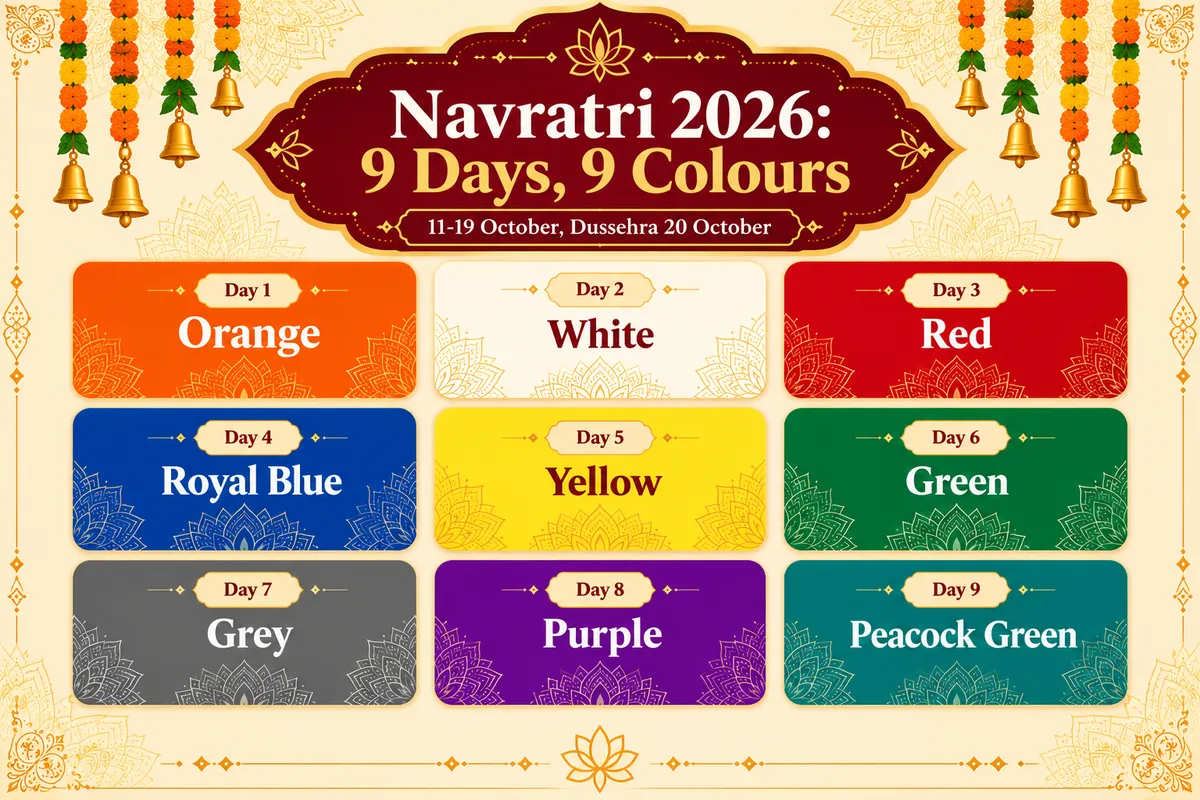
Remember that the daily colour is a custom, not a religious rule. If changing outfits is hard, a dupatta, stole, bangles or flowers in that day's colour are enough. Men can bring the colour in through a kurta or a stole. The colour order can vary by region, and these colours are not considered permanently tied to any one goddess.
Why Is Navratri Celebrated?
According to the Devi Mahatmya (Durga Saptashati), the demon Mahishasura terrorised the three worlds. The gods combined their powers and Goddess Durga appeared. She fought him for nine nights and defeated him on the tenth day. Navratri and Vijayadashami mark that victory.
In North and West India, Dussehra is also linked to Lord Rama's victory over Ravana, while in eastern India the same days are celebrated as Durga Puja. The stories differ, but the message is the same: however powerful evil may seem, good wins in the end.
How Many Navratris Are There in a Year?
Tradition counts four: Chaitra, Ashadha, Sharad and Magha. Chaitra and Sharad Navratri are the most widely observed. The one running right now is Sharad Navratri.
Why Do We Worship the Goddess During Navratri?
Navratri is a festival of Shakti, divine feminine energy. Over nine days the Goddess is worshipped as a warrior, as a mother and as an ascetic. The lesson is that strength is not only physical. Patience, compassion and courage are forms of Shakti too, and each day's puja is a chance to build one of those qualities in yourself.
Why Do People Fast During Navratri?
The food that the devotees eat depends upon the family traditions. The common options in the vrat foods include fruits, milk, curd, paneer, kuttu ka aata, singhare ka aata, sabudana, makhana, potatoes and sweet potatoes. Sendha namak is commonly used, in place of the common salt.
What Can You Eat During the Navratri Fast?
Kuttu (buckwheat) flour, singhara (water chestnut) flour, rajgira (amaranth)
Sabudana and samak rice
Fruits, milk, curd and makhana
Rock salt (sendha namak), which is commonly accepted in fasting
Onion, garlic and regular grains are usually avoided.
How to Celebrate Navratri 2026 Meaningfully?
Even at home, you can celebrate Navratri in simple ways:
Start your days with prayers offered to Goddess Durga.
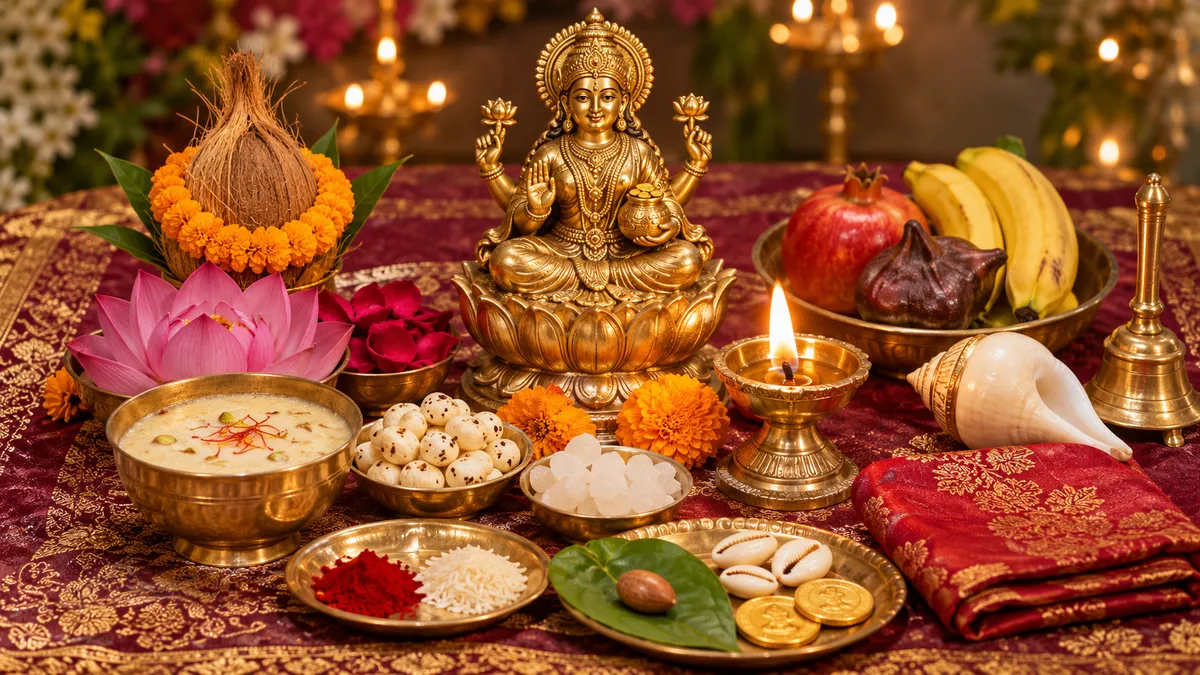
Offer fresh red flowers and fruits during the puja.
Listen to bhajans and aartis.
Prepare traditional meals for you and your family.
Join some local traditional celebrations.
Help people who are in need and be kind.
The festival of Navratri is not only about rituals and fastings. It is also an opportunity to develop good habits and strengthen relationships.
Frequently Asked Questions (FAQ)
1. What are the dates of Navratri 2026?
Sharad Navratri starts on 11th October, 2026.
2. When is Durga Ashtami in 2026?
Most Panchangs list 18 October, though some show 19 October. Check your city's Panchang.
3. How many days should I fast in Navratri?
There is no fixed rule. People fast for one, two or all nine days depending on faith and family tradition.
4. When should Kanya Pujan be done?
On Ashtami or Navami, whichever your family follows.
5. Is wearing the day's Navratri colour compulsory?
No. Wearing the daily colour is a popular custom, not a required religious rule.
6. What foods are allowed during Navratri fasting?
There are common foods- fruits, dairy products, sabudana, makhana, and fasting flours. Regular grains are not allowed. However, the rules can be different according to different traditions.
Final Words
Navratri of 2026, celebrates the faith, devotion and strength of Goddess Durga. From the first day of performing Ghatasthapana and daily puja to fasting and kanya puja, all the rituals carry some special meaning in them. The nine forms of Goddess Durga reminds us to practise courage, patience, kindness and discipline.
It doesn’t matter whether you fast, perform puja at home or join any community traditional celebration, what matters is that you celebrate everything with gratitude and respect for God and your family traditions.